
#ez-toc-container {
background: #f9f9f9;
border: 1px solid #aaa;
border-radius: 4px;
-webkit-box-shadow: 0 1px 1px rgba(0, 0, 0, .05);
box-shadow: 0 1px 1px rgba(0, 0, 0, .05);
display: table;
margin-bottom: 1em;
padding: 10px 20px 10px 10px;
position: relative;
width: auto;
}
.ez-toc-container-direction {
direction: ltr;
}
.ez-toc-list-level-1 a{
font-weight:bold;
}
Table of Contents
1. Introduction to the Connection Between Oral Health and Overall Wellness
Understanding the intricate connection between oral health and overall wellness is paramount for enhancing one’s quality of life. The mouth is often referred to as the gateway to the body, and with good reason. Oral health provides a window into the health of the entire body, and neglecting it can lead to a cascade of adverse health effects. This segment will explore how oral health impacts general well-being, delve into systemic diseases linked to poor oral hygiene, and highlight the importance of understanding the oral-systemic health connection.
-
Oral Health: The Foundation of Overall Well-being
The mouth is teeming with bacteria, most of which are harmless. However, without proper oral hygiene, bacteria can reach levels that might lead to oral infections, such as tooth decay and gum disease.
Good oral health practices help keep these bacteria under control, preventing potential health complications that can arise when bacteria enter the bloodstream.
Oral health is critical in maintaining the health and well-being of the entire body. Below is an overview of how oral health impacts general well-being:
-
Prevention of Oral Diseases
Regular brushing and flossing prevent oral diseases such as cavities and periodontal disease.
Healthy mouth, teeth, and gums contribute to better chewing function and aesthetics, which affects nutrition and self-esteem.
-
Systemic Health Connections
Poor oral hygiene has been linked to various systemic diseases such as cardiovascular disease, diabetes, and respiratory infections.
Oral inflammation may increase inflammation throughout the body, exacerbating chronic conditions.
It is crucial to delve into the systemic diseases linked to poor oral hygiene to fully appreciate the impact on overall wellness:
-
Cardiovascular Disease
There is a growing body of research suggesting a connection between poor oral health, specifically periodontitis, and heart diseases.
Bacteria from inflamed gums can enter the bloodstream and create thickening of the blood vessels, contributing to heart disease and stroke.
-
Diabetes
Individuals with diabetes are more susceptible to infections, including gum disease. In turn, periodontal disease can exacerbate diabetes by affecting blood sugar control.
-
Respiratory Infections
Oral health can affect respiratory health when bacteria in the mouth are aspirated into the lungs, leading to infections such as pneumonia.
The importance of understanding the oral-systemic health connection cannot be overstated for those committed to enhancing wellness. Here’s why:
-
Proactive Health Management
By understanding this connection, individuals can take a proactive approach to health care, addressing potential risk factors before they become full-blown health issues.
Regular dental check-ups become not only a way to maintain oral health but also a crucial step in the early detection of systemic health issues.
-
Integrated Health Care Approach
Health care providers are recognizing the value of integrating dental health into overall health and wellness plans.
An integrated approach leads to better overall health outcomes by ensuring that oral health is part of the overall healthcare regimen.
In conclusion, the role of oral health in overall well-being is a critical component of total body health. Both health professionals and individuals must recognize the far-reaching implications of oral hygiene, not merely for maintaining a beautiful smile but also for its profound impact on overall health. Understanding and embracing the oral-systemic health connection can pave the way for a healthier, more vibrant life.

2. Daily Oral Hygiene Practices for Optimal Health
Maintaining excellent oral hygiene is more than just a pursuit of fresh breath and a whiter smile—it is a crucial component of your overall health. In this guide, we explore daily oral hygiene practices that foster optimal health, focusing on effective brushing and flossing techniques, the importance of fluoride in your oral care products, and how these practices contribute to your general wellbeing.
Step-by-Step Guide to Effective Brushing and Flossing Techniques
Ensuring thorough cleaning of your teeth and gums requires proper brushing and flossing techniques. Below is a step-by-step guide to help you perfect your oral care routine:
Effective Brushing Technique
- Choose the Right Toothbrush: Opt for a soft-bristled toothbrush that fits comfortably in your mouth. You can choose between a manual or an electric toothbrush based on your preference.
- Apply the Right Amount of Toothpaste: Use a pea-sized amount of fluoride toothpaste. Avoid overloading your toothbrush to prevent unnecessary mess and waste.
- Hold Your Toothbrush at a 45-degree Angle: Position the toothbrush against your gums at a 45-degree angle to allow efficient cleaning of the gum line.
- Brush for Two Minutes: Divide your mouth into four sections and spend 30 seconds on each to ensure every surface is covered.
- Use Gentle, Circular Motions: Brush using gentle, circular motions rather than aggressive back-and-forth scrubbing to avoid damaging your enamel and gums.
- Don’t Forget Your Tongue: Bacteria can accumulate on your tongue, so make sure to brush it for fresher breath.
- Rinse Thoroughly: After brushing, rinse your mouth with water to remove any remaining debris or toothpaste residues.
Effective Flossing Technique
- Select the Right Floss: Available in waxed or unwaxed, flavored, or unflavored options, choose the floss that suits your preference and ease of use.
- Use Enough Floss: Break off about 18 inches of floss and wind most of it around your fingers, leaving around two inches to use.
- Hold the Floss Tightly: Holding the floss tightly between your thumbs and forefingers, guide it gently between your teeth.
- C Shape Technique: Curve the floss into a C shape against one tooth and slide it up and down gently. Avoid snapping the floss as it might injure your gums.
- Move to a Clean Portion: Use a fresh section of floss for each tooth to ensure effective cleaning.
Importance of Using Fluoride Toothpaste and Mouthwash
Fluoride is a natural mineral known for its remarkable benefits in oral health. Here’s why incorporating fluoride in your dental care products is essential:
- Strengthens Tooth Enamel: Fluoride helps rebuild weakened tooth enamel, thus making it more resistant to potential decay-causing acids.
- Reverse Early Signs of Tooth Decay: Regular use of fluoride toothpaste can reverse early signs of decay by promoting remineralization.
- Inhibits Bacteria Growth: Fluoride reduces acid production in your mouth by hindering the growth of harmful oral bacteria.
- Using Mouthwash with Fluoride: Adding fluoride mouthwash to your oral care routine provides an additional protective layer, especially in hard-to-brush areas.
How Maintaining a Consistent Oral Care Routine Contributes to Overall Health
Oral health is intrinsically linked to your overall health. Here are some significant ways through which a consistent oral care routine contributes to your general well-being:
- Prevention of Gum Disease: Regular brushing and flossing curb plaque buildup, preventing gum inflammation that could lead to severe conditions like periodontitis and tooth loss.
- Reduction in Cardiovascular Problems: Oral bacteria and the inflammation associated with periodontitis might contribute to heart problems, making oral health paramount in reducing risk factors.
- Better Diabetes Control: Gum disease can make controlling blood sugar levels more challenging, underscoring the importance of maintaining meticulous oral hygiene for individuals with diabetes.
- Potential Dementia Risks: There is emerging research suggesting that oral infections might be linked to the development of dementia, highlighting the broader implications of oral care.
In essence, nurturing a disciplined oral hygiene routine is not merely a preventive measure for bad breath or decay but a critical component in fostering holistic health. By following the outlined practices and recognizing the importance of fluoride in oral care, you can ensure the long-term health of your mouth and body.

3. The Role of Diet and Nutrition in Oral and Overall Health
When it comes to maintaining oral and overall health, the role of diet and nutrition cannot be overstated. What you eat not only affects your body, but it also plays a significant role in the health of your teeth and gums. This segment explores the critical impacts of sugar and acidic foods on oral health, the benefits of a balanced diet rich in essential nutrients, and offers tips for selecting foods that are tooth-friendly and promote overall wellness.
Impact of Sugar and Acidic Foods on Oral Health
Sugar and acidic foods are among the primary culprits in dental decay and erosion. Here’s what happens when these elements become regular parts of your diet:
- Sugar is widely known to contribute to tooth decay. When sugar is consumed, it interacts with bacteria present in the mouth to form acid. This acid attacks the enamel, leading to cavities. Frequent sugar intake, especially in the form of sugary snacks and beverages, increases the risk of developing dental caries.
- Acidic foods and drinks like citrus fruits, tomatoes, and carbonated beverages can erode the tooth enamel. The enamel is the protective outer layer of the tooth, and once it is worn down, it cannot regenerate. This erosion makes teeth more susceptible to decay and sensitivity.
To mitigate these effects, it’s essential to be mindful of your consumption of sugars and acidic foods while maintaining proper oral hygiene.
Benefits of a Balanced Diet Rich in Calcium and Vitamins
A balanced diet that is rich in calcium and vitamins can significantly contribute to stronger teeth and gums, promoting better oral health. Consider the following benefits:
- Calcium plays a crucial role in maintaining tooth and bone strength. It helps in remineralizing tooth enamel, which is vital for preventing decay. Dairy products, leafy greens, and fortified alternatives are excellent sources of calcium.
- Vitamin D aids in the absorption of calcium, making it equally important for oral health. Sun exposure, fatty fish, and fortified foods can help you maintain adequate Vitamin D levels.
- Vitamin C is essential for gum health. It helps in the production of collagen, a protein that supports the structure of gums. Citrus fruits, berries, and bell peppers are rich in Vitamin C.
- Phosphorus works with calcium to build strong bones and teeth. Foods like meat, nuts, and legumes provide a good amount of phosphorus.
Incorporating these nutrients into your daily diet can help maintain the structural integrity of your teeth and promote healthy gums.
Tips for Selecting Tooth-Friendly Foods that Promote Overall Wellness
Choosing the right foods can promote both oral and overall wellness. Here are some tips to guide you in selecting tooth-friendly foods:
- Prioritize fresh fruits and vegetables as they stimulate saliva production, which helps to wash away food particles and neutralize acids. Crunchy vegetables like carrots and celery are particularly beneficial.
- Opt for whole grains instead of refined grains as they contain more fiber and nutrients, which are beneficial for your overall health and help maintain balanced blood sugar levels.
- Choose lean proteins such as poultry, fish, and beans. These foods are not only vital for your body’s growth and repair processes but also help in maintaining oral health.
- Avoid sticky and sweet snacks that can adhere to your teeth and promote cavities. If you indulge in sweets, try to brush your teeth or rinse your mouth soon afterward.
- Include foods high in water content like watermelon and cucumbers in your diet. These can help to keep your mouth hydrated and rinse away food particles.
Paying attention to these dietary choices can significantly contribute to your dental health, reducing the risk of cavities and gum disease while promoting a healthier lifestyle.
In conclusion, understanding the link between diet and oral health empowers you to make informed decisions that benefit both your mouth and your body. By choosing foods wisely and limiting those that are harmful, you can maintain a healthy smile and enhance your overall well-being.
4. Regular Dental Check
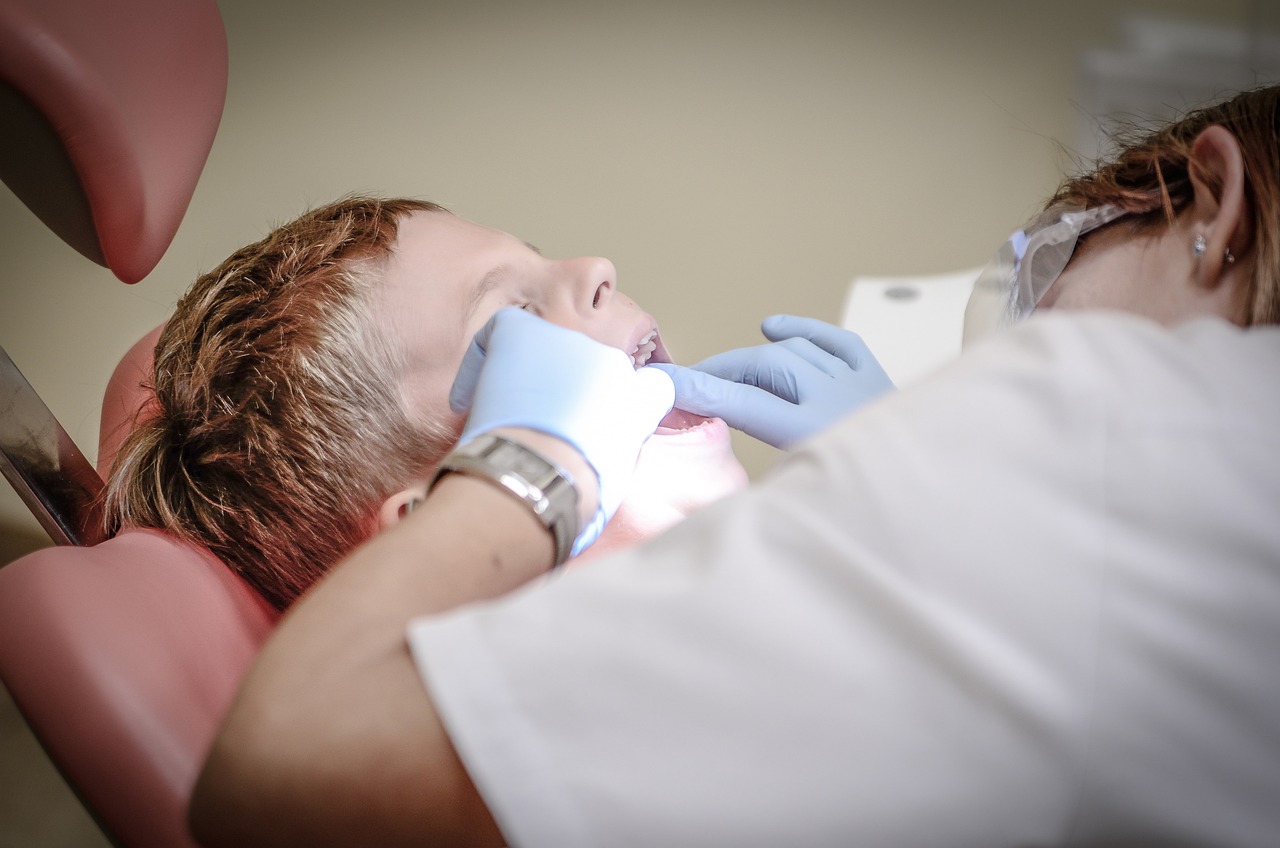
Regular dental check-ups are integral to maintaining optimal oral health and overall wellbeing. While daily oral hygiene practices such as brushing and flossing are crucial, biannual visits to the dentist provide a professional evaluation of your dental health and help detect potential issues before they escalate. This makes regular dental visits not just a matter of oral hygiene, but a critical component of comprehensive health care.
Importance of Biannual Dental Visits
There are several compelling reasons why biannual dental check-ups hold significant importance:
- Early Detection of Dental Problems: Regular check-ups allow dental professionals to identify potential issues like cavities, gum disease, or oral cancer at an early stage. Addressing these issues promptly can prevent more severe problems and facilitate more straightforward treatment solutions.
- Professional Cleaning: Even with meticulous brushing and flossing, plaque and tartar can build up in hard-to-reach areas. Dental hygienists use specialized tools to clean your teeth thoroughly, preventing cavities and gum disease.
- Oral Hygiene Education: Dentists provide valuable insights into maintaining proper oral care routines, recommend suitable products, and suggest modifications in dietary habits that contribute to healthier teeth and gums.
Role of Dental Professionals in Detecting Early Signs of Oral and Systemic Conditions
The role of dental professionals extends beyond treating cavities and polishing teeth. They are trained to spot early signs of oral diseases and even systemic conditions that can manifest in the mouth.
- Cancer Screening: During routine check-ups, dentists screen for early indicators of oral cancer, which can be crucial for successful treatment.
- Gum Disease and Systemic Health: Gum inflammation has been linked to systemic health issues such as heart disease and diabetes. Dentists monitor gum health to mitigate broader health risks.
- <strong<Developmental Issues in Children: For younger patients, dental professionals can detect developmental issues early, ensuring timely interventions to guide proper oral growth.
How Preventive Dental Care Alleviates Broader Health Issues
Preventive dental care serves as a frontline defense against various health issues, acting as a proactive measure to ensure not just oral but general health. Here’s how regular dental visits contribute to alleviating broader health problems:
- Reducing the Risk of Infection: Dental problems such as cavities or gum infections can act as gateways for bacteria to enter the bloodstream, potentially leading to infections in other parts of the body.
- Prevention of Heart Disease: Studies suggest a link between oral health and heart health. By maintaining healthy gums and teeth, you can potentially lower the risk of heart disease.
- Diabetes Management: The management of diabetes is closely related to oral health. Routine dental care helps control periodontal disease, which can have a beneficial effect on blood sugar levels.
In summary, regular dental check-ups are not merely a recommendation but a necessity in maintaining both oral and overall health. By engaging in preventive dental care, you safeguard yourself against complex health issues while ensuring a bright and healthy smile. Consider scheduling your biannual dental visits now to reap the myriad health benefits they offer. Remember, a healthy mouth is a gateway to a healthy body.


