#ez-toc-container {
background: #f9f9f9;
border: 1px solid #aaa;
border-radius: 4px;
-webkit-box-shadow: 0 1px 1px rgba(0, 0, 0, .05);
box-shadow: 0 1px 1px rgba(0, 0, 0, .05);
display: table;
margin-bottom: 1em;
padding: 10px 20px 10px 10px;
position: relative;
width: auto;
}
.ez-toc-container-direction {
direction: ltr;
}
.ez-toc-list-level-1 a{
font-weight:bold;
}
Table of Contents
1. Introduction to Teeth Whitening
Teeth whitening has become one of the most popular cosmetic dental procedures, captivating the interest of many individuals seeking a brighter smile. A radiant smile is often associated with health, confidence, and even success, which is why many people are investing in teeth whitening treatments. However, amidst the plethora of options available, from professional procedures to DIY solutions, distinguishing fact from fiction can be challenging.
Understanding the truths and myths associated with teeth whitening is crucial. Many misconceptions about the safety, effectiveness, and affordability of various whitening methods can mislead individuals, potentially resulting in disappointment or even dental damage. Therefore, it is essential to educate oneself about the different aspects of teeth whitening to make informed decisions and achieve desired results safely.
The goal of this article is to dispel common misconceptions and provide accurate information about teeth whitening. By shedding light on popular myths and revealing scientific truths, we aim to guide readers towards making the best choices for their oral health and whitening needs. Below, we outline the necessary topics to understand teeth whitening more comprehensively.
- The Popularity of Teeth Whitening
- Understand why teeth whitening is in high demand.
- Explore the societal and psychological factors contributing to its popularity.
- Common Myths and Misconceptions
- Discuss the most prevalent myths about teeth whitening.
- Clarify misunderstandings about the effectiveness and safety of whitening products.
- The Science Behind Teeth Whitening
- Explain how whitening agents work on a chemical level.
- Discuss the difference between surface and intrinsic stains.
- Types of Teeth Whitening Procedures
- Detail various professional and at-home whitening methods.
- Compare the pros and cons of different whitening systems.
- Safety Concerns and Best Practices
- Address potential risks associated with teeth whitening.
- Offer tips for safe and effective whitening practices.
- Conclusion
- Summarize key takeaways about teeth whitening.
- Emphasize the importance of accurate knowledge and professional guidance.
The Popularity of Teeth Whitening
Teeth whitening has captured global attention, largely because of its simplicity and the immediate positive impact it can have on an individual’s appearance. A brighter smile is often equated with attractiveness and good health, which fuels the demand for whitening procedures. Society’s emphasis on aesthetics is amplified by media and celebrity endorsements, painting an undeniably appealing picture of gleaming white teeth. Understanding this popularity is vital to navigating options and setting realistic expectations regarding outcomes.
Common Myths and Misconceptions
- Teeth whitening works on all teeth types – Whitening agents primarily target enamel stains and are less effective on discolorations caused by medications or dental trauma.
- At-home kits are as effective as professional treatments – While over-the-counter products may yield results, professional treatments, administered by dental experts, often provide more significant and safer outcomes.
- Whitening weakens teeth – When used correctly, most whitening products do not harm tooth enamel, although misuse may lead to sensitivity and other issues.
The Science Behind Teeth Whitening
The effectiveness of teeth whitening lies in the active ingredients used, typically hydrogen peroxide or carbamide peroxide. These ingredients penetrate the enamel, breaking down the compounds that cause stains. Understanding the difference between surface-level (extrinsic) and deeper (intrinsic) stains can also aid in selecting the appropriate method—surface stains respond well to standard whitening agents, while intrinsic stains may require specialized treatments.
Types of Teeth Whitening Procedures
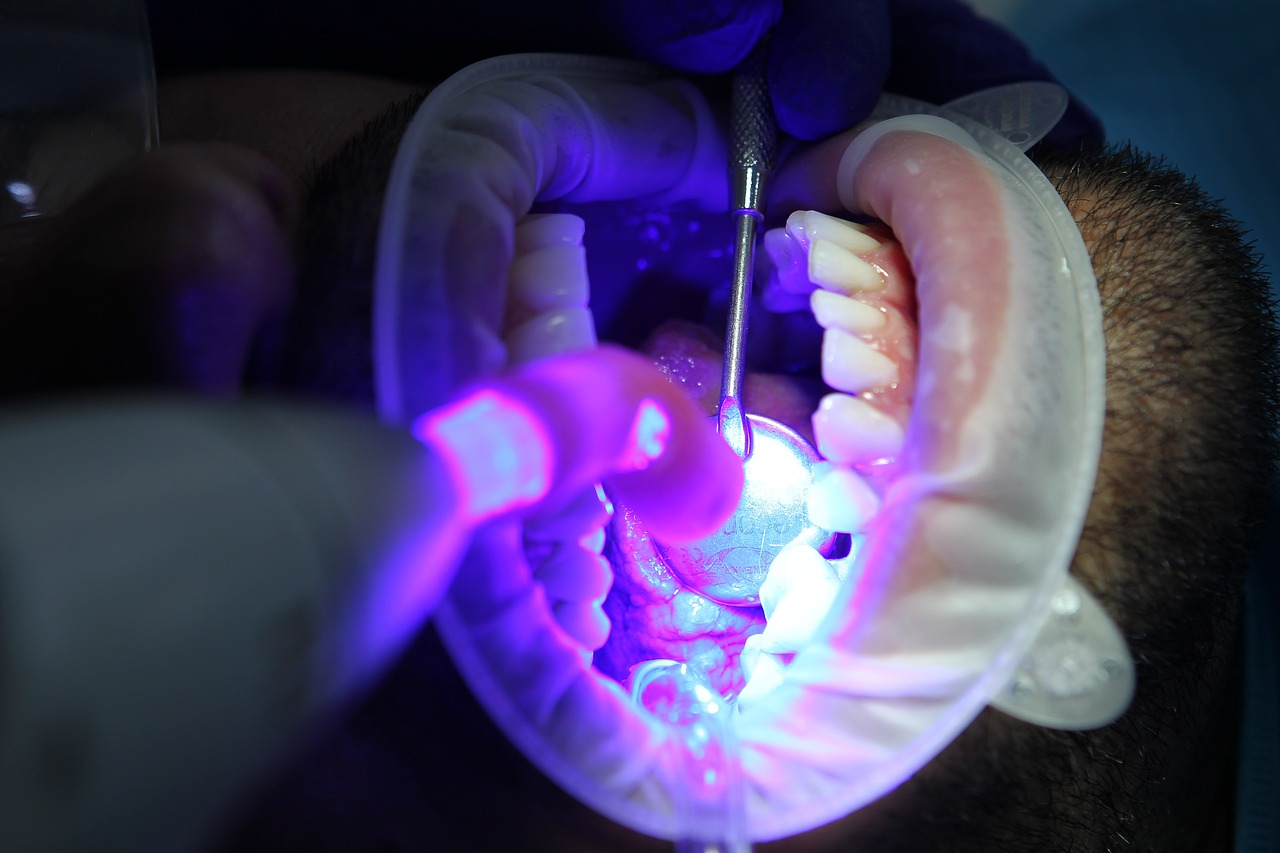
- In-office Whitening – Provides the most immediate results through professional-grade bleaching agents and, often, laser or light activation to intensify the whitening process.
- Custom Take-home Trays – Tailored to fit over an individual’s unique dental arches, offering a gradual whitening solution with dental supervision.
- Over-the-counter Products – Include whitening gels, strips, and toothpaste; convenient but generally milder in their whitening effects.
Safety Concerns and Best Practices
Safety is a major concern when it comes to altering the appearance of one’s smile. It’s essential to adhere to recommended guidelines for any whitening product to minimize the risk of enamel damage and tooth sensitivity. Consultation with a dental professional before initiating any whitening regimen ensures the selection of suitable treatments aligned with one’s dental health needs.
Conclusion
Teeth whitening continues to be an alluring option for those seeking a brighter smile. By navigating through prevalent myths and embracing scientifically-backed truths, individuals can safely enjoy the benefits of teeth whitening. The key is a well-informed approach that aligns with personal health needs and aesthetic goals. Always consider professional advice to ensure your journey towards whiter teeth is both effective and safe.

2. Myth : Teeth Whitening is Harmful to Enamel
Teeth whitening has become a popular cosmetic procedure worldwide, with thousands seeking brighter, whiter smiles. However, myths and misconceptions often accompany the popularity of teeth whitening, with one of the most prevailing being that it is harmful to the enamel. Let’s delve into this myth, debunk it, and provide guidance on safe teeth whitening practices.
Myth: Teeth Whitening is Harmful to Enamel
One common fear is that teeth whitening procedures strip away the enamel, the outermost layer of teeth, causing irreparable damage. This misconception likely stems from a misunderstanding of how whitening products work and the ingredients involved.
Teeth whitening primarily involves the use of bleaching agents like hydrogen peroxide or carbamide peroxide. These substances penetrate the enamel to break down the stains on your teeth, effectively whitening them without compromising the structural integrity of the enamel.
Understanding Enamel and Its Functions
Before we get to the explanation, it’s important to understand what enamel is and its role in our dental health:
- Protection: Enamel is the hard, outer surface layer of your teeth that protects against decay.
- Durability: Enamel is the hardest substance in the human body, designed to withstand biting and chewing over many years.
Despite its hardness, enamel can be susceptible to damage, which is why rumors about its vulnerability to whitening procedures can cause concern. However, rest assured, professional whitening processes are designed to be non-detrimental.
Clarification on the Safety of Professional Teeth Whitening
Professional teeth whitening, as performed by qualified dentists, follows stringent safety protocols to ensure the health of your teeth and gums:
- Controlled Peroxide Levels:
Dentists use controlled concentrations of peroxide, balancing effectiveness and safety, which reduce the risk of harming enamel. - Customized Treatments:
Professional treatments are tailored specifically to the individual’s dental needs, ensuring maximum safety and desired results. - Supervision During Treatment:
Undergoing whitening under professional supervision ensures immediate attention to any discomfort or risk of damage, making adjustments as necessary.
Professional whitening is a safe choice for patients because dentists assess the suitability of whitening treatments for each patient, taking into account factors such as existing dental work or sensitivity.
Scientific Evidence Supporting Safety
Studies have shown that when performed correctly, teeth whitening does not erode the enamel. Research consistently demonstrates that both over-the-counter and professional whitening products are safe for short-term use without jeopardizing enamel integrity.
Tips for Choosing Safe Whitening Options
Considering both professional and over-the-counter options? Here are some tips to help you make an informed and safe choice:
Professional Whitening Options
- Consult Your Dentist:
Before undergoing any whitening procedure, consult with your dentist to ensure it’s suitable for your dental health. - Ask About Technical Specifications:
Understand the concentration of bleaching agents and the procedure involved to set realistic expectations regarding safety and outcomes.
Over-the-Counter Whitening Options
- Read Product Labels: Look for products with ADA (American Dental Association) approval or similar certifications indicating safety and effectiveness.
- Follow Instructions Carefully: Adhere strictly to the product instructions to avoid overuse, which can lead to sensitivity.
- Select Toothpaste with Caution: Choose whitening toothpaste with gentle abrasives to prevent enamel damage over long-term use.
While over-the-counter options might be tempting for their convenience and lower cost, consulting a dentist even for these can help prevent any potential misuse.
Recognizing Safe Concentrations
When selecting whitening products, remember that higher concentrations of whitening agents do not always equate to better or faster results. Professional guidance ensures that concentrations are effective yet safe for use.
Conclusion
Tooth whitening can undoubtedly enhance your smile’s brightness without compromising your dental health, provided that the correct measures are followed. Understanding the dispelled myth – that teeth whitening damages enamel – empowers you to make informed, safe choices about your dental aesthetics.
Whether opting for professional treatments or over-the-counter solutions, always prioritize enamel safety to maintain healthy, strong teeth alongside your dazzling smile.

3. Myth : Teeth Whitening Results Are Permanent
Teeth whitening is a popular cosmetic procedure that many individuals turn to for achieving a brighter smile. However, there is a myth that teeth whitening results are permanent. This misconception often leads to unrealistic expectations and dissatisfaction over time. In reality, the effects of teeth whitening are temporary, and several factors can influence how long your bright smile lasts.
Temporary Nature of Teeth Whitening Results
Understanding the temporary nature of teeth whitening is crucial for setting realistic expectations. Once you undergo a whitening process, your teeth will naturally begin to recollect surface stains and discolor over time. The whitening process removes stains from the surface and penetrates the enamel, but it cannot prevent new stains from forming. Therefore, teeth whitening should be considered a temporary improvement rather than a permanent fix.
- Re-mineralization: The enamel of your teeth can naturally regain minerals that contribute to discoloration after a whitening treatment.
- Daily Habits: Regular activities such as eating, drinking, and brushing contribute to the gradual fading of teeth whitening results.
Factors Affecting Longevity of Whitening Results
The longevity of your teeth whitening results depends on several factors, including your diet, oral hygiene, and lifestyle choices. By understanding these factors, you can take steps to maintain your whitening results for a longer period.
- Diet: The foods and beverages you consume play a significant role in the durability of your whitening results.
- Staining Foods: Consuming dark-colored foods and drinks such as coffee, tea, red wine, and berries can cause your teeth to stain more quickly.
- Acidic Foods: Acidic items like citrus fruits can erode enamel, making teeth more susceptible to staining.
- Oral Hygiene: Your oral care routine significantly impacts how long your teeth remain white.
- Brushing and Flossing: Proper brushing and flossing help remove plaque and prevent new stains from forming.
- Mouthwash: Using a whitening or stain-preventive mouthwash can aid in maintaining your teeth’s hue.
- Lifestyle Choices: Habits such as smoking or using tobacco products contribute to discoloration.
- Smoking: Tobacco use is a significant factor in the yellowing and staining of teeth.
- Oral Appliances: Not cleaning removable appliances like retainers can lead to an accumulation of bacteria, affecting teeth color.
Recommendations for Maintaining Whitening Results
To prolong the effects of your teeth whitening treatment, incorporating certain practices into your daily routine can be beneficial. These recommendations can help you maintain a bright and radiant smile.
- Avoid Stain-Intensive Foods and Drinks: Minimize the intake of foods and beverages known to stain teeth. If consumed, rinse your mouth with water right after.
- On-the-Go Oral Care: Carry a travel-sized toothbrush and toothpaste to freshen up after meals when you’re away from home.
- Regular Dental Cleanings: Visit your dentist every six months for professional cleanings to remove surface stains and plaque buildup.
- Teeth Whitening Touch-Ups: Depending on your whitening treatment, consider touch-ups every few months or as recommended by your dentist.
- Advanced Oral Hygiene Products: Use toothpaste and mouthwash designed to maintain whitening results.
While teeth whitening results are not permanent, with the right care and lifestyle choices, you can enjoy a whiter smile for a longer time. Remember that touch-ups or continuous care are often required to maintain the shade of whiteness you desire.
By incorporating a comprehensive oral hygiene regimen and making informed dietary and lifestyle choices, you can significantly influence the longevity of your teeth whitening results. Regular consultations with your dental professional can also provide personalized recommendations to keep your teeth looking their best.
4. Myth : All Teeth Whitening Products Work the Same
In today’s pursuit of a bright and confident smile, teeth whitening products have become increasingly popular. However, a prevailing myth suggests that all teeth whitening products work the same. This is far from the truth as various products differ in application, effectiveness, and potential side effects. Understanding these differences is crucial to selecting the right product tailored to individual needs and dental conditions. Let’s delve into a comprehensive analysis of the variety of teeth whitening products available, from strips and gels to professional treatments.
Variety of Teeth Whitening Products Available
There are numerous teeth whitening options available, each with its unique method of application and intended results. Here are some of the most common:
- Whitening Strips: These are thin, flexible plastic strips coated with a peroxide-based whitening gel. They are easy to apply and are often used at home.
- Whitening Gels and Trays: Similar to strips, gels are peroxide-based products. They’re applied using a tray that molds to the shape of your teeth, ensuring even coverage.
- Whitening Toothpaste: These contain mild abrasives and chemicals to aid in the removal of surface stains, although they don’t change the natural color of your teeth.
- Professional Treatments: Conducted by dentists, these treatments involve using a higher concentration of whitening agents and can also include laser treatments for expedited results.
Differences in Effectiveness, Application, and Potential Side Effects Among Products
Each teeth whitening product comes with its advantages and disadvantages:
-
Effectiveness:
- Whitening Strips: Generally effective for removing surface-level stains. Results may be visible within a few days, but might not be as prolonged or intense compared to professional treatments.
- Whitening Gels and Trays: Can provide noticeable results due to the custom fit of the trays which ensures better contact with teeth.
- Whitening Toothpaste: Best for maintaining whitening after other treatments; limited effectiveness in whitening significant stains.
- Professional Treatments: Offers the most dramatic and immediate results, often lightening teeth by several shades after a single session.
-
Application:
- Whitening Strips: Applied directly onto the teeth and left for a specific duration, often twice daily.
- Whitening Gels and Trays: Require a tray which is filled with gel and worn for a prescribed period, often overnight.
- Whitening Toothpaste: Used in place of or alongside regular toothpaste during routine brushing.
- Professional Treatments: Administered by a dental professional in a controlled environment, sometimes involving protective gels or barriers to protect gums.
-
Potential Side Effects:
- Whitening Strips: Possible gum irritation and tooth sensitivity.
- Whitening Gels and Trays: Similar side effects as strips, with the added concern of ill-fitting trays causing uneven exposure.
- Whitening Toothpaste: Minimal risk, though excessive use can lead to enamel erosion.
- Professional Treatments: While monitored, sensitivity can still occur post-treatment, alongside gum discomfort.
Guidance on Choosing the Right Product Based on Individual Needs and Dental Conditions
Selecting the appropriate teeth whitening product requires consideration of individual dental conditions and personal preferences. Here are some guidelines:
- Determine the Severity of Discoloration: Mild stains might only require over-the-counter solutions, while deeper discoloration might warrant professional treatment.
- Assess Sensitivity Levels: Those with sensitive teeth should opt for products specifically designed with lower peroxide concentrations.
- Consider Personal Convenience: If time-constrained, at-home products like strips might be more suitable compared to scheduling dental appointments.
- Consult with a Dental Professional: For those unsure about the condition of their teeth or the best method to use, a consultation with a dentist can provide useful insights and recommendations.
Ultimately, the journey to a dazzling smile is personal and varies from person to person. Understanding the differences in teeth whitening products can dismantle myths and empower consumers to make informed choices that align with their specific needs and expectations.