#ez-toc-container {
background: #f9f9f9;
border: 1px solid #aaa;
border-radius: 4px;
-webkit-box-shadow: 0 1px 1px rgba(0, 0, 0, .05);
box-shadow: 0 1px 1px rgba(0, 0, 0, .05);
display: table;
margin-bottom: 1em;
padding: 10px 20px 10px 10px;
position: relative;
width: auto;
}
.ez-toc-container-direction {
direction: ltr;
}
.ez-toc-list-level-1 a{
font-weight:bold;
}
Table of Contents
1. Introduction to Healthy Snacking for Oral Health
Maintaining optimal oral health involves more than just regular brushing and flossing; one must also pay close attention to their diet, particularly to snacking habits. In this comprehensive guide to healthy snacking for oral health, we will explore the profound impact of mindful snacking on dental well-being. By understanding the importance of selecting nutritious snacks, we can significantly improve our dental health and prevent common oral issues.
Importance of Snacking Mindfully for Dental Health
Snacking isn’t just about satisfying hunger between meals; it plays a crucial role in our overall health, including our oral hygiene. Mindful snacking means being conscious of what we eat and how it affects our teeth and gums. By choosing snacks that are beneficial rather than harmful, we can foster an environment in which our oral health thrives.
- Reduction of Sugar Intake: Sugary snacks are a primary cause of tooth decay. When we snack mindfully, we opt for foods that are low in sugar, reducing the risk of cavities.
- Promotion of Saliva Production: Certain snacks encourage saliva production, which naturally cleansess the mouth and helps to neutralize acids produced by bacteria.
- Protection Against Gum Disease: Mindful snacking can help prevent gum disease by supplying vital nutrients that strengthen gum tissue and aid in recovery from minor injuries.
- Improvement in Overall Health: Often, snacks that are good for our oral health are also beneficial for our overall health, offering essential vitamins and minerals that our bodies need to function optimally.
By consciously choosing our snacks, we avoid the pitfalls of poor dietary habits that adversely affect our oral hygiene.
Overview of Common Snacking Mistakes That Can Affect Teeth and Gums
Understanding what not to do is just as important as knowing what to do. Unfortunately, many people unknowingly make snacking choices that can harm their teeth and gums. Below, we detail a few of the most common snacking mistakes that can have negative consequences:
- Frequent Consumption of Sugary Snacks: Snacking often on sweets, sodas, or candies increases the frequency of sugar exposure to teeth, leading to plaque buildup and tooth decay.
- Sticky or Chewy Snacks: Snacks like gummy bears or dried fruits tend to stick to teeth, providing a long-lasting food source for bacteria. This can lead to enamel erosion and cavities.
- Ignoring Nutritious Snacks: Many people reach for convenient, processed foods rather than choosing healthier options like fruits, vegetables, or nuts, which can support oral health.
- Acidic Snacks and Beverages: Foods and drinks that are high in acidity, such as citrus fruits and sodas, can erode tooth enamel over time if consumed frequently.
- Binge Snacking: Consuming large quantities of snacks in one sitting without allowing time for saliva to neutralize the acids can lead to dental issues.
Avoiding these common snacking mistakes is a proactive way to preserve your dental health and maintain a bright, healthy smile. Implementing mindful snacking habits can also pave the way for a healthier lifestyle, benefiting your entire body.
Understanding the balance between enjoying snacks and maintaining oral health is key. By making informed choices, we can enjoy the benefits of snacking while ensuring that our dental health remains uncompromised.

2. Nutrient
Maintaining excellent oral health isn’t just about brushing and flossing regularly; it’s also about making smart dietary choices. Introducing nutrient-rich snacks into your daily routine can significantly contribute to the strength and longevity of your teeth. In this comprehensive guide, we will explore some excellent snack options that support strong teeth, focusing on calcium-rich foods and the benefits of crunchy fruits and vegetables for natural teeth cleaning.
-
Calcium-Rich Snacks for Strong Teeth
Calcium is one of the essential minerals that help strengthen tooth enamel, the outermost protective layer of your teeth. By incorporating calcium-rich snacks into your diet, you can significantly improve your dental health.
- Yogurt
- Cheese
Yogurt is a delicious and versatile snack that is loaded with calcium, beneficial for maintaining strong bones and teeth. It also contains probiotics, which help promote healthy gums by reducing the growth of harmful bacteria in your mouth. Plus, the creamy texture of yogurt is gentle on sensitive teeth.
Cheese is another excellent source of calcium and offers additional benefits for your dental health. It stimulates saliva production, which helps wash away food particles and neutralizes acids in the mouth. Opt for aged cheeses like cheddar or gouda for a powerful calcium boost.
-
The Benefits of Crunchy Fruits and Vegetables for Natural Teeth Cleaning
Crunchy fruits and vegetables not only provide essential vitamins and minerals but also play a significant role in mechanically cleaning your teeth. Their natural texture helps scrape away plaque and food debris, promoting overall oral hygiene.
- Apples
- Carrots
- Celery
Frequently dubbed as “nature’s toothbrush,” apples are an excellent snack choice for maintaining dental health. Their fibrous texture stimulates the gums and increases saliva flow, which naturally cleanses the teeth. Additionally, apples are high in vitamin C, which strengthens the gums.
Carrots are a crunchy and satisfying snack packed with vitamin A and fiber. Chewing raw carrots helps massage the gums, clean the teeth, and promote saliva production. This natural process diminishes the risk of cavities by eliminating built-up plaque and bacteria.
With its high water content and fibrous strands, celery makes an excellent natural teeth cleanser. It acts like a toothbrush in your mouth, scrubbing away particles while you chew. Furthermore, celery is loaded with vitamins A and C, pivotal for healthy gum tissues.
-
Combining Calcium-Rich and Crunchy Snacks for Optimal Dental Health
For the best oral health, consider combining calcium-rich snacks with crunchy fruits and vegetables. This strategy maximizes the benefits of nutrient intake while promoting natural teeth cleaning.
Try snacking on cheese and apple slices or enjoying a yogurt parfait topped with carrot and celery sticks for a balanced approach to oral health maintenance.
Incorporating these nutrient-rich snacks into your diet not only supports strong teeth and gums but also contributes to your overall well-being. Ensure you choose a variety of these snacks for balanced nutrition and optimal dental health. By prioritizing the right foods, good oral hygiene practices, and routine dental check-ups, you can keep your smile healthy and vibrant for years to come.

3. Sugar
For many people, managing sweet cravings while maintaining a healthy lifestyle can be challenging. In recent years, the emphasis on reducing sugar intake due to its links with various health issues has increased. Fortunately, sugar-free alternatives and natural sweeteners can help satisfy these cravings without compromising your health. Below is a comprehensive guide on sugar-free options and tooth-friendly snacks that can help you maintain your sweet tooth responsibly.
Introduction to Natural Sweeteners and Sugar-Free Products
Natural sweeteners offer a healthier way to satisfy your sweet tooth. Unlike refined sugars, which are high in calories and contribute to weight gain and other health problems, natural sweeteners are often lower in calories and have a reduced impact on blood sugar levels. Here are some popular natural sweeteners that can help you satisfy your cravings without the guilt:
- Stevia: Extracted from the leaves of the Stevia plant, this sweetener is calorie-free and has been used for centuries in South America. It is much sweeter than sugar, so only a small amount is needed.
- Xylitol: A sugar alcohol found naturally in fruits, Xylitol is low in calories and does not spike blood sugar levels. It is also known to be beneficial for dental health as it reduces the risk of cavities.
- Erythritol: Another sugar alcohol, Erythritol is an excellent low-calorie alternative to sugar. It is naturally found in some fruits and fermented foods. It is absorbed by the body, but not metabolized, thus providing fewer calories.
- Monk Fruit Sweetener: Derived from monk fruit, a small sub-tropical melon, this sweetener contains antioxidants called mogrosides which are sweet but calorie-free. It is much sweeter than sugar, making it a potent alternative.
- Coconut Sugar: Although it contains the same number of calories as regular sugar, coconut sugar has a lower glycemic index, making it a slightly better option for blood sugar management.
These natural sweeteners, amongst others, are increasingly found in various sugar-free products available on the market today, including beverages, candies, and baked goods, enabling you to enjoy the sweetness minus the negative health impacts associated with sugar.
List of Tooth-Friendly Snacks
Snacking does not necessarily have to be synonymous with unhealthiness. When considering tooth-friendly snacks, it’s important to focus on foods that won’t contribute to tooth decay. Here’s a list of delicious snacks that can satisfy your cravings and are also gentle on your teeth:
- Berries: Berries like strawberries, blueberries, and raspberries are excellent snacks due to their high antioxidant content and natural sweetness. They are low in sugar compared to other fruits and can be enjoyed fresh, in smoothies, or as a topping for yogurt and desserts.
- Cheese: Cheese is high in calcium and protein, making it a great snack for dental health. It increases the pH level in the mouth, reducing the chances of tooth decay.
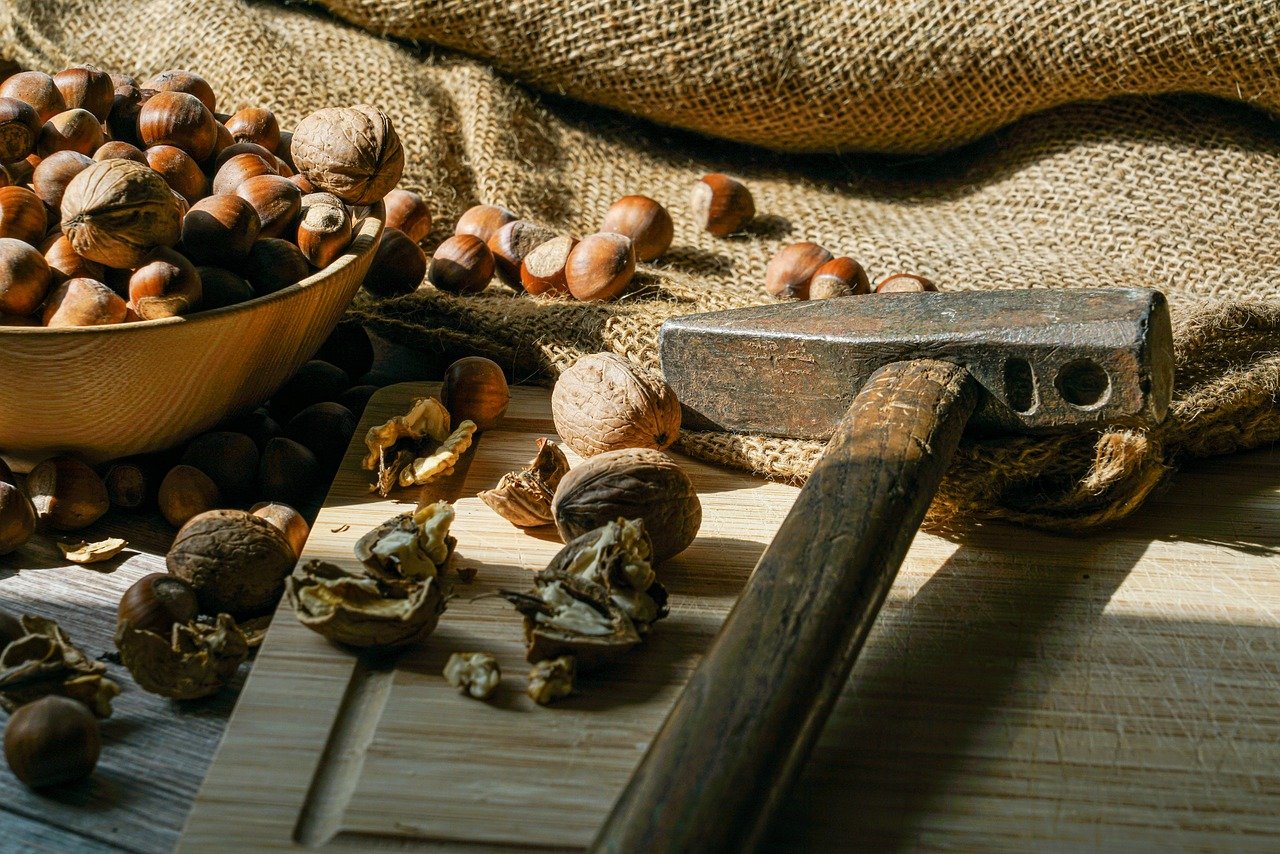
- Nuts: Nuts such as almonds, walnuts, and pistachios are packed with healthy fats, proteins, and calcium. They are not only invigorating but also help in saliva production, which neutralizes acids in the mouth.
- Seeds: Seeds like chia seeds, flaxseeds, and pumpkin seeds are rich in omega-3 fatty acids and other nutrients. They can be added to smoothies, salads, or yogurt for added crunch and nutrition.
- Crunchy Vegetables: Raw vegetables such as carrots, celery, and cucumbers are great for teeth health. Their crunchiness helps clean teeth surfaces and stimulates the gums.
Incorporating these tooth-friendly snacks into your diet not only helps with maintaining oral health but also provides a range of essential nutrients for overall health. Being creative and conscious of your food choices can make a significant difference in sustaining a healthy lifestyle while still enjoying the sweet pleasures of life.
By choosing natural sweeteners and tooth-friendly snacks, you can maintain the balance between enjoying sweetness and taking care of your dental and overall health. These sugar-free alternatives and snacks make it easier than ever to enjoy the foods you love without worrying about the negative impacts of traditional sugar.
4. Hydrating Snacks for Maintaining Saliva Production
Saliva plays a vital role in maintaining oral health, acting as the mouth’s first line of defense against various issues. Proper saliva production is essential for preventing bad breath, facilitating the digestion of food, and safeguarding against bacterial accumulation. This article will delve into the significance of saliva in oral health, discuss protective measures, and recommend hydrating snacks that can naturally boost saliva production.
Role of Saliva in Oral Health
Saliva has numerous functions that contribute significantly to oral health. Some of these include:
- Cleansing Action: Saliva helps wash away food particles and debris from the mouth, reducing plaque build-up and promoting cleaner teeth and gums.
- Antimicrobial Properties: It contains enzymes and proteins that impede bacterial growth, thereby protecting against infections and oral diseases.
- Neutralizing Acids: Saliva neutralizes acids produced by bacteria in the mouth, reducing the risk of tooth decay and erosion.
- Digestive Initiation: Enzymes in saliva, such as amylase, begin the digestion process by breaking down starches before food reaches the stomach.
- Tissue Repair: Saliva contains factors that aid in the repair and maintenance of oral soft and hard tissues.
Given these crucial roles, maintaining adequate saliva production is essential for oral health. Factors such as dehydration, certain medications, and medical conditions can lead to reduced saliva production, resulting in dry mouth (xerostomia). This condition can increase the risk of oral complications, such as cavities and gum disease.
Protective Measures for Preserving Saliva Production
To maintain optimal saliva levels, consider the following protective measures:
- Stay Hydrated: Drinking plenty of water throughout the day is vital for saliva production as it keeps the salivary glands functioning properly.
- Limit Caffeine and Alcohol: Reducing the intake of caffeinated and alcoholic beverages can help prevent dehydration, which is a common cause of dry mouth.
- Chew Sugar-Free Gum: Stimulating the salivary glands by chewing sugar-free gum can enhance saliva flow and mitigate dryness.
- Use a Humidifier: Employing a humidifier, especially at night, can help maintain moisture levels in the air, preventing dry mouth symptoms.
- Regular Dental Check-Ups: Regular visits to the dentist can help identify and manage any underlying issues that might affect saliva production.
Hydrating Snacks to Enhance Saliva Production
Consuming hydrating snacks can effectively boost saliva production, ensuring a moist oral environment. Here are some excellent options:
Cucumber
Cucumbers are an incredibly hydrating snack due to their high water content (around 95%). They are not only refreshing but also help cleanse the mouth and stimulate the production of saliva.
- Cucumbers have a mild flavor and crisp texture, making them a versatile addition to salads or enjoyed on their own.
- Rich in antioxidants and fiber, cucumbers support overall health while hydrating the mouth.
Celery
Similar to cucumbers, celery is composed of about 95% water, making it an ideal choice to combat dry mouth. The fibrous nature of celery also helps in mechanically cleaning the teeth while chewing.
- Its crunchy texture stimulates chewing, increasing saliva flow and promoting a cleansing effect on the teeth.
- Celery is also low in calories and a great source of essential vitamins and minerals, contributing to a balanced diet.
Watermelon
Watermelon is not only delicious but also one of the best hydrating fruits due to its 92% water content. It is naturally sweet, making it a fun and healthy option for boosting hydration.
- Alongside hydrating the mouth, watermelon provides vital nutrients like vitamins A, C, and antioxidants like lycopene.
- Chilled watermelon is a refreshing treat, especially during warmer months.
Incorporating these hydrating snacks into your diet can serve as an effective, natural method to encourage saliva production, ultimately enhancing oral health. By prioritizing these foods and adopting the protective measures mentioned above, individuals can better manage saliva levels and prevent the complications associated with dry mouth.
Remember, maintaining good oral hygiene and staying hydrated are fundamental to fostering a healthy mouth, which in turn supports overall well-being. Keep these snacks in mind to not only hydrate but also to keep your smile bright and healthy!