
#ez-toc-container {
background: #f9f9f9;
border: 1px solid #aaa;
border-radius: 4px;
-webkit-box-shadow: 0 1px 1px rgba(0, 0, 0, .05);
box-shadow: 0 1px 1px rgba(0, 0, 0, .05);
display: table;
margin-bottom: 1em;
padding: 10px 20px 10px 10px;
position: relative;
width: auto;
}
.ez-toc-container-direction {
direction: ltr;
}
.ez-toc-list-level-1 a{
font-weight:bold;
}
Table of Contents
1. Introduction to Oral Cancer Screening
Introduction to Oral Cancer Screening
Oral cancer screening is a critical procedure in the early detection and prevention of oral cancers, which can dramatically affect an individual’s quality of life and overall health. This introduction aims to elucidate the definition and significance of oral cancer screening, present statistical data on the prevalence and survival rates of oral cancer, and underline the paramount importance of early detection in improving treatment outcomes.
Definition and Significance of Oral Cancer Screening
Oral cancer screening refers to the examination of the mouth by a healthcare professional to look for signs of cancer or precancerous conditions. The primary objective of these screenings is to identify oral cancer in its initial stages when treatment is most effective. During an oral cancer screening, a dentist or doctor checks for lumps, irregular tissue changes in the neck, head, face, and oral cavity. They may also assess the inside of the mouth for sores or discolored tissue.
The significance of oral cancer screening lies in its potential to detect cancerous or precancerous lesions early on, giving patients better chances for successful treatment and survival. Early detection can lead to less invasive treatment methods and significantly reduces the risk of complications.
Statistics on Oral Cancer Prevalence and Survival Rates
- Prevalence: Oral cancer constitutes a considerable portion of cancer cases worldwide. According to recent global statistics, more than 450,000 new cases of oral and pharyngeal cancers are diagnosed each year.
- Survival Rates: The survival rate of oral cancer greatly depends on the stage at which the cancer is detected. The five-year survival rate for those diagnosed with early-stage oral cavity and pharynx cancer is about 84%, but this rate drops significantly to around 66% or lower for cases detected in advanced stages.
Importance of Early Detection in Improving Treatment Outcomes
Early detection of oral cancer is crucial to improving treatment outcomes. When detected at an early stage, oral cancers are often more treatable and less prone to metastasizing. Early-stage cancers can often be removed with minimal impact on speech, swallowing, or appearance, leading to less extensive treatments and better quality of life post-treatment.
- Enhanced Survival Rates: As mentioned, early detection vastly increases the chances of successful treatment. Patients diagnosed at an early stage are significantly more likely to survive than those whose cancers are detected later.
- Less Invasive Treatment: When oral cancer is discovered early, treatments tend to be less aggressive. This can mitigate the adverse side effects often associated with advanced cancer treatments, such as radiation or extensive surgery.
- Reduced Healthcare Costs: Catching cancer early can lead to significantly reduced healthcare costs. Early interventions often require less complex medical procedures, which in turn minimizes hospital stays and recovery times.
Oral cancer is a potentially devastating disease, but with regular screening and early detection, the chances of successful treatment and recovery can increase dramatically. Educating the public on the importance of oral cancer screening and regular dental visits is crucial. By being vigilant and proactive, oral cancer’s impact can be substantially lessened, saving lives and maintaining the quality of life for those affected.

2. Understanding the Importance of Oral Cancer Screening
Oral cancer screening stands as a critical component of preventive healthcare, especially for populations at risk. Regular screening not only aids in detecting cancer at an early stage, where treatment is often more effective, but also significantly enhances survivability and quality of life for those diagnosed. Understanding the importance and the manifold benefits of regular oral cancer screening can enable individuals and healthcare professionals to prioritize proactive health measures.
- Detailed Benefits of Regular Screening for At-risk Populations
At-risk populations, including individuals who use tobacco, consume alcohol heavily, or have a family history of cancer, are especially vulnerable to developing oral cancer. Regular screening offers numerous benefits such as:
- Early Detection:
Catching cancer in its early stages significantly improves treatment outcomes. Through early detection, individuals can receive timely interventions that may prevent the progression of the disease. - Increased Survival Rates:
Studies have consistently shown that when oral cancer is detected early, the five-year survival rate is considerably higher compared to later-stage detection. - Cost-effectiveness:
Early treatments are often less complex and expensive compared to the comprehensive interventions required at later stages. This aspect makes regular screenings a cost-effective option for both patients and healthcare systems. - Prevention of Complications:
Detecting and treating cancer early reduces the risk of complications that arise from advanced disease stages, leading to better health outcomes.
- The Role of Oral Cancer Screening in Preventative Healthcare
Oral cancer screening plays a crucial role in the broader spectrum of preventive healthcare. It allows healthcare providers to:
- Monitor Changes:
Regular screening helps in monitoring any changes in oral health that might indicate the onset of cancer. This vigilance is particularly vital for at-risk individuals. - Educate Patients:
Screenings offer an opportunity to educate patients about lifestyle changes that can reduce their risk of developing cancer, such as quitting smoking or reducing alcohol intake. - Develop Personalized Health Plans:
Preventative healthcare benefits from customized health plans based on individual risk factors identified during screenings. These plans often include regular follow-ups and lifestyle recommendations that can mitigate risk. - Integrate Holistic Healthcare Approaches:
Oral screenings can be integrated with other routine health checks to provide a comprehensive evaluation of a patient’s health, ensuring a well-rounded approach to prevention.
- Personal Stories Highlighting the Impact of Early Diagnosis
Personal testimonials illustrate the profound impact that early diagnosis can have on individuals’ journeys through cancer treatment and recovery. Consider the story of Mary, a 45-year-old teacher who regularly attended oral cancer screenings:
“I never thought much about the importance of oral screenings until they found a small lesion during a routine check-up,” Mary shares. “Thankfully, it was in the early stages, and my doctor assured me that with prompt treatment, my chances of recovery were excellent. The screening essentially saved my life, and I’m incredibly grateful for that.”
Another compelling testimony comes from John, a retired firefighter and heavy smoker for over 30 years:
“I used to think I was invincible, but when my dentist suggested an oral cancer screening, I decided to go ahead with it. They found something suspicious that turned out to be cancer. If I hadn’t gone for that screening, I would have never known until it was too late. Getting screened gave me a second chance at life.”
These stories, among countless others, underscore the transformative potential of regular oral cancer screening in terms of altering the course of treatment and ultimately saving lives.
In conclusion, understanding the multi-faceted importance of oral cancer screening highlights its indispensable role in preventive healthcare, especially for at-risk populations. Regular screening not only aids in early detection but also empowers individuals with the knowledge and resources necessary to lead healthier lives. By integrating consistent screenings into healthcare regimens, individuals can diminish the threat of oral cancer and embrace the peace of mind that comes with proactive health management.

3. The Oral Cancer Screening Process: What to Expect
Oral cancer screening is a pivotal part of routine dental examinations, helping to detect signs of cancer or precancerous conditions in the mouth. This crucial step in healthcare is straightforward, non-invasive, and can save lives by identifying abnormalities early. Understanding what to expect during this process can help alleviate concerns and empower patients.
The Oral Cancer Screening Process: What to Expect
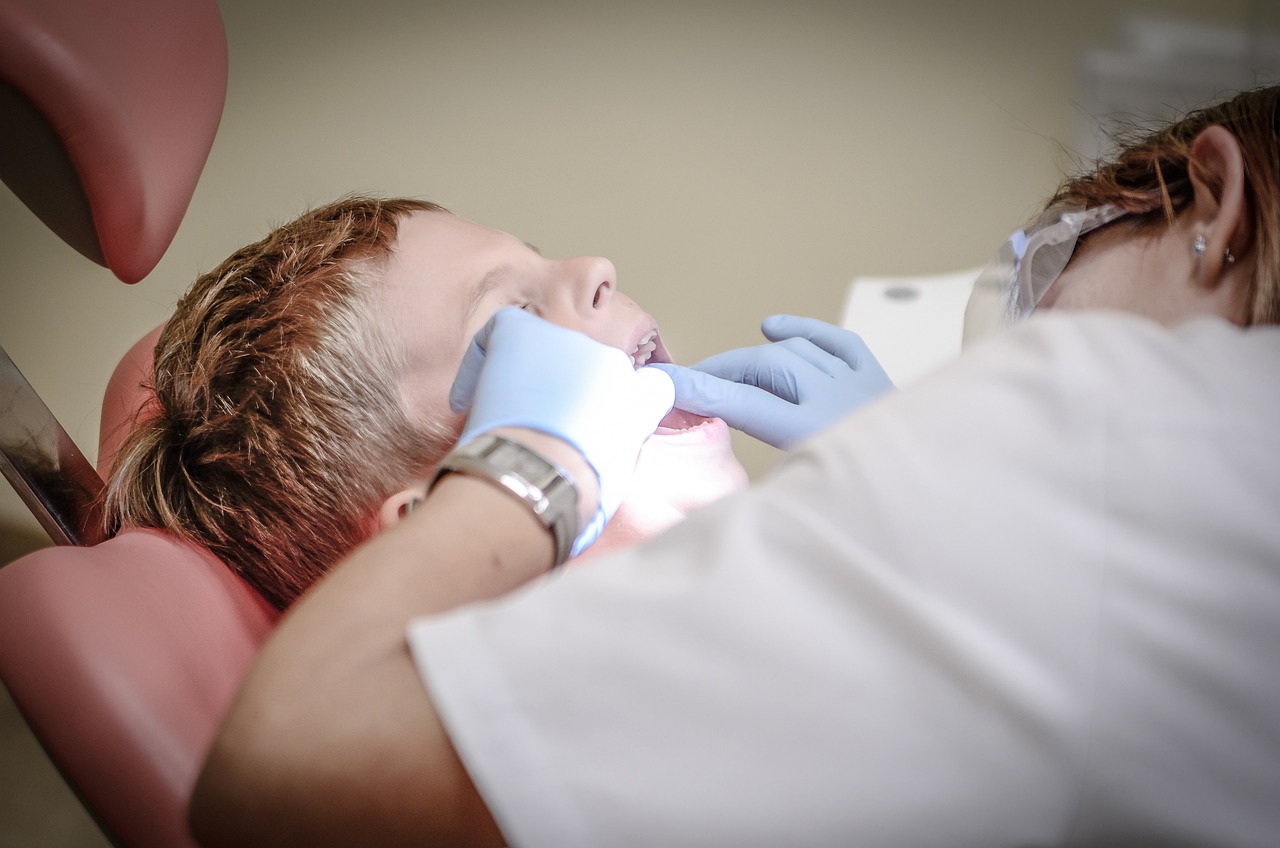
When you go for an oral cancer screening, the dentist or dental hygienist will perform a detailed exam of your mouth, including the lips, gums, inner cheeks, roof and floor of the mouth, tongue, and the back of the throat. Here is a step-by-step breakdown of a typical oral cancer screening procedure:
-
Visual Examination:
The procedure usually begins with a visual examination. The dental professional will inspect your mouth for any sores, patches of colors, lumps, or other abnormalities. They may use a light to see inside your mouth more clearly and a mirror to get a good view of the areas that are not easily accessible.
-
Physical Examination:
Next, the dental professional uses gloved hands to physically examine your mouth. This part of the exam involves feeling the tissues around your mouth to detect any unusual lumps, nodules, or swelling that might be unseen but can be felt.
-
Use of Advanced Screening Tools:
Many modern dental practices incorporate the use of additional screening technologies to enhance detection accuracy.
- VELscope: This is a special type of light that helps make abnormal cells more visible making it easier to notice problematic areas. It aids in detecting changes in the tissues that are not visible to the naked eye.
- Toluidine Blue Dye: Sometimes, a dye is applied to highlight suspicious areas in the mouth. This blue dye tends to stick to areas where there are abnormal cells.
-
Documentation:
The dentist may take notes or photographic evidence of any suspicious areas to track changes over time and decide if further investigation is required. If any areas raise concern, they may recommend a biopsy or refer you to a specialist for further examination.
Tools and Technologies Used in Modern Screenings
In recent years, the tools and technologies used in oral cancer screenings have advanced significantly. These innovations provide an enhanced methodology for detecting early signs of cancer and assessing potential risks, thus increasing the chances of successful treatment.
-
Technology-based Assessments:
Unlike traditional methods that relied on visual and physical exams, today’s technologies provide a more comprehensive assessment.
- VELscope: This technology uses natural tissue fluorescence to help dentists see lesions that might not be visible to the naked eye. The VELscope is quick, taking about 1-2 minutes to complete.
- Raman Spectroscopy: This technique provides a real-time histopathology to distinguish between types of tissues. It aids in determining potentially cancerous tissues during the initial exam.
-
Biomarker Testing:
The use of biomarker testing is becoming prevalent in the detection of oral cancer. Biomarkers are substances that can indicate the presence of cancer in the body. Saliva tests can now detect these biomarkers to assist in risk assessment and diagnosis.
How Dental Professionals Assess Risk and Interpret Findings
Dental professionals are trained to assess the risk of oral cancer by taking into account various risk factors and comparing them against the findings from the screenings. Here’s how they typically approach this:
-
Assessment of Risk Factors:
During the examination, dentists will consider a number of factors that might increase the risk of oral cancer. These include:
- Tobacco Use: Papillary habits like smoking or chewing tobacco significantly raise the risk of oral cancer.
- Alcohol Consumption: Excessive alcohol intake can also increase the risk, especially when combined with tobacco use.
- HPV Infection: The Human Papillomavirus is known to be a risk factor for throat cancers, affecting areas like the tongue and tonsils.
- Family History: A history of cancer in the family can predispose an individual to a higher risk of developing oral cancer.
-
Interpretation of Findings:
Any suspicious lesions or irregularities noted during the screening lead to further evaluation. Dental professionals consider the size, shape, and color of unusual patches or sores, and how long they have been present.
If an area does not heal over a course of time, appears red or white, or if there is unexplained bleeding or numbness, they suggest additional diagnostic tests.
The comprehensive nature of these screenings, combined with advancements in technology, ensures that oral cancer is detected at the earliest possible stage, allowing for timely and potentially life-saving interventions. Regular dental check-ups with oral cancer screenings are an invaluable part of your health regimen. Early detection is the key to positive outcomes, underscoring the importance of a proactive approach to oral health care.
4. Frequency of Oral Cancer Screenings: How Often Should You Be Screened?
Early detection plays a critical role in successfully managing oral cancer, making regular screenings a vital part of oral health care. This comprehensive guide delves into the general guidelines for oral cancer screening frequency based on age, lifestyle, and risk factors, as well as recommendations from leading health organizations, such as the American Dental Association (ADA). It also highlights the importance of personalized screening schedules in collaboration with dental professionals.
General Guidelines for Screening Frequency
Determining the appropriate frequency for oral cancer screenings can be influenced by several factors including age, lifestyle choices, and individual risk factors.
Screening Frequency Based on Age
- Under 40 Years: For individuals under 40, routine dental check-ups should include a screening for oral cancer, typically at least once every three years.
- Over 40 Years: Those over 40 are recommended to undergo oral cancer screenings annually due to the increased risk of developing oral health issues.
Screening Frequency Based on Lifestyle
- Tobacco Users: Individuals who use tobacco, in any form, should receive more frequent screenings, ideally every 6 to 12 months, as they are at a higher risk for oral cancer.
- Alcohol Consumers: Heavy alcohol consumption is also a considerable risk factor, and similar to tobacco users, frequent screenings are recommended.
Screening Frequency Based on Risk Factors
- Family History: Those with a family history of cancer should discuss their genetic risks with a dental professional to determine an appropriate screening schedule.
- Previous Oral Cancer Diagnoses: Individuals who have been previously diagnosed with oral cancer should have screenings every 3-6 months as part of their follow-up care regime.
Recommendations from Leading Health Organizations
Various health organizations provide guidelines to help determine the optimal frequency for oral cancer screenings.
- American Dental Association (ADA): The ADA recommends regular oral cancer examinations as part of the dental check-up for all adult patients. This includes comprehensive head and neck examinations for symptoms indicative of cancer.
- World Health Organization (WHO): WHO emphasizes the importance of early detection through regular screenings, advising that adult patients, particularly those aged 40 and above, undergo annual checks.
- Centers for Disease Control and Prevention (CDC): The CDC advises that individuals who smoke or consume alcohol heavily should undergo screenings more frequently, in line with the guidelines proposed by their dental care providers.
The Importance of Personalized Screening Schedules
While general guidelines provide a foundation for oral cancer screenings, personalized screening schedules are essential and should be crafted through discussions with dental professionals. Here’s why:
- Individual Risk Assessment: Every individual has unique risk factors, including family history, lifestyle choices, and previous health conditions, which are best assessed by a professional.
- Changes Over Time: As individuals age or if their lifestyle changes, their risk factors for oral cancer may evolve, necessitating adjustments to the screening schedule.
- Professional Insight: Dental professionals can provide insights and advice based on the latest research and technological advancements in oral cancer detection.
Maintaining an ongoing dialogue with your dental care provider ensures you are receiving the most appropriate screenings for your specific situation. Scheduling regular appointments and adhering to recommended screenings can significantly enhance early detection of oral cancer, thereby improving potential treatment outcomes.
In conclusion, understanding the frequency of oral cancer screenings involves a blend of general guidelines and personalized care plans. Patients are strongly encouraged to actively engage with their healthcare providers to establish a screening schedule that best suits their individual needs. Early detection through these screenings can be a key factor in successful treatment, underscoring the critical nature of regular oral cancer checks.


