#ez-toc-container {
background: #f9f9f9;
border: 1px solid #aaa;
border-radius: 4px;
-webkit-box-shadow: 0 1px 1px rgba(0, 0, 0, .05);
box-shadow: 0 1px 1px rgba(0, 0, 0, .05);
display: table;
margin-bottom: 1em;
padding: 10px 20px 10px 10px;
position: relative;
width: auto;
}
.ez-toc-container-direction {
direction: ltr;
}
.ez-toc-list-level-1 a{
font-weight:bold;
}
Table of Contents
1. Introduction to Teeth Grinding
Teeth grinding, medically referred to as bruxism, is a common dental issue that affects a significant portion of the population. Despite its prevalence, bruxism often goes unrecognized until more severe dental problems arise. It is characterized by the involuntary clenching, grinding, or gnashing of teeth, either during the day or night. Understanding the overview of teeth grinding, including its causes, symptoms, and potential consequences, is crucial in addressing the issue promptly and effectively.
The importance of recognizing and addressing bruxism early cannot be overstated. Uncontrolled bruxism can lead to various dental problems, including worn teeth, tooth fractures, and, in severe cases, tooth loss. Additionally, it may contribute to temporomandibular joint (TMJ) disorders, headaches, and facial pain, significantly affecting the quality of life. By identifying and addressing bruxism early, individuals can prevent extensive dental damage and avoid the discomfort and expenses associated with advanced dental treatments.
- Night-time bruxism: This type occurs during sleep and is often more challenging to control and identify since individuals are usually unaware they are grinding their teeth.
- Day-time bruxism: Often linked to stress or concentration, day-time bruxism happens while awake. It’s typically easier to manage because individuals can consciously relax their jaw muscles.
Both night-time and day-time bruxism require attention, but strategies for management and treatment may differ based on when the bruxism occurs and the underlying causes.
- Understanding Bruxism: It is crucial to understand the primary factors that contribute to bruxism, which can include stress, malocclusion (misalignment of teeth), sleep disorders, lifestyle factors such as caffeine or alcohol consumption, and other medical conditions.
- Recognizing Symptoms: Common symptoms of bruxism include grinding sounds during sleep, jaw pain, headaches, tooth sensitivity, and worn surfaces of the teeth.
- Seeking Professional Advice: Dentists play a crucial role in diagnosing and advising on appropriate interventions to manage bruxism. Dental professionals may recommend treatments such as mouthguards, stress management techniques, and addressing any underlying dental disorders.
Recognizing bruxism early and consulting a dental professional can prevent more extensive damage and complications.
In summary, bruxism is a widespread condition that can have significant implications for dental health if not addressed promptly. Understanding the distinction between night-time and day-time bruxism is essential for implementing effective strategies to combat this issue. By recognizing the signs and symptoms early, individuals can seek appropriate treatment and protect their oral health for the long term.

2. Causes of Teeth Grinding
Teeth grinding, medically referred to as bruxism, is a prevalent condition that affects individuals of all ages. This involuntary clenching or grinding of teeth can occur both during the day and night, with the nocturnal variant more commonly recognized. Understanding the causes of teeth grinding is crucial in developing effective treatments and preventive strategies. This section delves into the various causes of bruxism, exploring physical, psychological, and other contributory factors such as medications and genetics.
Common Physical Causes of Teeth Grinding
-
Misaligned Teeth
The alignment of one’s teeth and jaw can significantly influence the likelihood of developing bruxism. Misaligned teeth, also known as malocclusion, can alter the normal pattern of chewing and lead to grinding. The irregular contact between upper and lower teeth often causes an unconscious response where the jaw tries to align itself properly, leading to bruxism.
Addressing malocclusion usually involves orthodontic treatments, which can reduce or eliminate teeth grinding in affected individuals.
-
Sleep Disorders
Sleep plays a vital role in many body functions, and disorders related to it can contribute to bruxism. Conditions such as obstructive sleep apnea (OSA) and snoring are closely linked to nighttime teeth grinding. These sleep disorders disrupt normal sleep patterns and can lead to an increase in muscle activity, including the muscles involved in grinding teeth.
Treating sleep-related disorders with the help of medical professionals can significantly reduce the incidence of bruxism, as normal sleep patterns are restored, and undue muscle activity is decreased.
Psychological Factors Contributing to Bruxism
-
Stress and Anxiety
Emotional well-being is intricately linked to physical health, and stress and anxiety are two factors that play a crucial role in the development of bruxism. Individuals experiencing high levels of stress or anxiety may find themselves unconsciously clenching their jaw or grinding their teeth as a response to these emotional states.
Stress management techniques such as cognitive behavioral therapy (CBT), mindfulness, and meditation can be highly effective in reducing stress-induced bruxism.
-
Lifestyle Habits
Certain lifestyle habits and behaviors can also contribute to teeth grinding. Excessive consumption of stimulants such as caffeine and alcohol has been linked to an increase in bruxism, particularly during sleep. Moreover, habits like smoking and recreational drug use can exacerbate the condition by affecting the central nervous system.
Adopting healthier lifestyle choices, such as reducing intake of stimulants and quitting smoking, can significantly reduce the occurrence of bruxism.
Role of Medications and Genetic Factors in Teeth Grinding
-
Medications
Several medications have side effects that include teeth grinding. These typically involve drugs that influence neurotransmitter levels in the brain, such as antidepressants and anti-anxiety medications. Selective serotonin reuptake inhibitors (SSRIs) are a common class of drugs that can contribute to bruxism.
For individuals who suspect their medication may be causing or exacerbating their bruxism, consulting a healthcare professional can determine if an alternative therapy with fewer side effects is appropriate.
-
Genetic Factors
Genetics can play a role in predisposing individuals to bruxism. Studies have suggested that if a family member has a history of teeth grinding, there is a higher chance that others in the family will develop the condition as well. While bruxism is not solely determined by genetics, it is an influential factor that warrants consideration.
Understanding the genetic component of bruxism can help in early detection and implementation of precautionary measures for at-risk individuals.
In conclusion, identifying the causes of teeth grinding is multifaceted, involving an array of physical, psychological, and other factors. Addressing these causes can lead to more effective management and reduction of bruxism, improving oral health and overall well-being.

3. Symptoms of Teeth Grinding
Bruxism, more commonly known as teeth grinding, is a condition that often goes unnoticed until significant symptoms manifest or a dental examination is conducted. Understanding the symptoms of teeth grinding is crucial for timely intervention and preventing long-term damage to both dental health and overall well-being. In the sections below, we’ll explore the common symptoms, the potential long-term effects if left unchecked, and the importance of early identification.
Detailed Description of Common Symptoms
Teeth grinding can produce various symptoms that vary in intensity and can significantly impact the quality of life. Some of the most prevalent symptoms include:
-
Jaw Pain
One of the hallmark signs of teeth grinding is jaw pain. This pain is often a result of the constant clenching and grinding of the teeth, which exerts pressure on the jaw muscles. Individuals may experience tenderness around the jaw joint, making it difficult to open and close the mouth comfortably.
-
Headaches
Frequent headaches can be a result of bruxism. The tension created from continuous grinding transfers to the temples, leading to tension headaches. These headaches typically occur upon waking, given that many people grind their teeth during sleep.
-
Worn Tooth Enamel
Over time, the friction from grinding can wear down the tooth enamel significantly. This can result in increased sensitivity, not only making the teeth susceptible to cavities but also causing discomfort when consuming hot or cold foods and drinks.
Long-term Effects on Dental Health and Overall Well-being
Ignoring the symptoms of teeth grinding can lead to serious long-term consequences, not just for dental health but for overall well-being. Some of these effects include:
-
Tooth Damage
The persistent pressure from grinding can lead to chipped or cracked teeth. In severe cases, it might necessitate restorative treatments such as crowns, bonding, or even extractions if the tooth structure is severely compromised.
-
TMD Disorders
Temporomandibular Joint Disorders (TMD) can develop if teeth grinding goes untreated. These disorders affect the joint connecting the jawbone to the skull, potentially causing shooting pain in the jaw, difficulty chewing, and even audible clicking sounds when moving the jaw.
-
Chronic Pain and Discomfort
Beyond direct dental damage, constant bruxism can lead to chronic discomfort in the neck, shoulders, and face due to strained muscles. This ongoing discomfort can contribute to stress and exacerbate mental health issues like anxiety and depression.
The Importance of Identifying Symptoms for Timely Intervention
Recognizing the symptoms associated with teeth grinding is the first step toward mitigation and treatment. Early identification is paramount for several reasons:
-
Prevention of Severe Damage
Addressing bruxism early on can prevent the extensive damage to teeth and jaw joints, avoiding the need for complex and expensive dental procedures.
-
Improvement in Quality of Life
Alleviating the symptoms associated with teeth grinding, such as jaw pain and headaches, can significantly improve an individual’s daily comfort and reduce the strain on mental health.
-
Personalized Treatment Plans
Once the signs of teeth grinding are identified, dental professionals can tailor a treatment plan that may include mouthguards, stress reduction techniques, or physical therapy, to effectively manage and mitigate bruxism.
In conclusion, the symptoms of teeth grinding should not be ignored. By understanding and identifying these symptoms, individuals can seek timely intervention, ensuring the preservation of their dental health and overall well-being. Regular dental check-ups and being vigilant of the signs can go a long way in preventing the adverse effects associated with bruxism.
4. Diagnosis of Bruxism
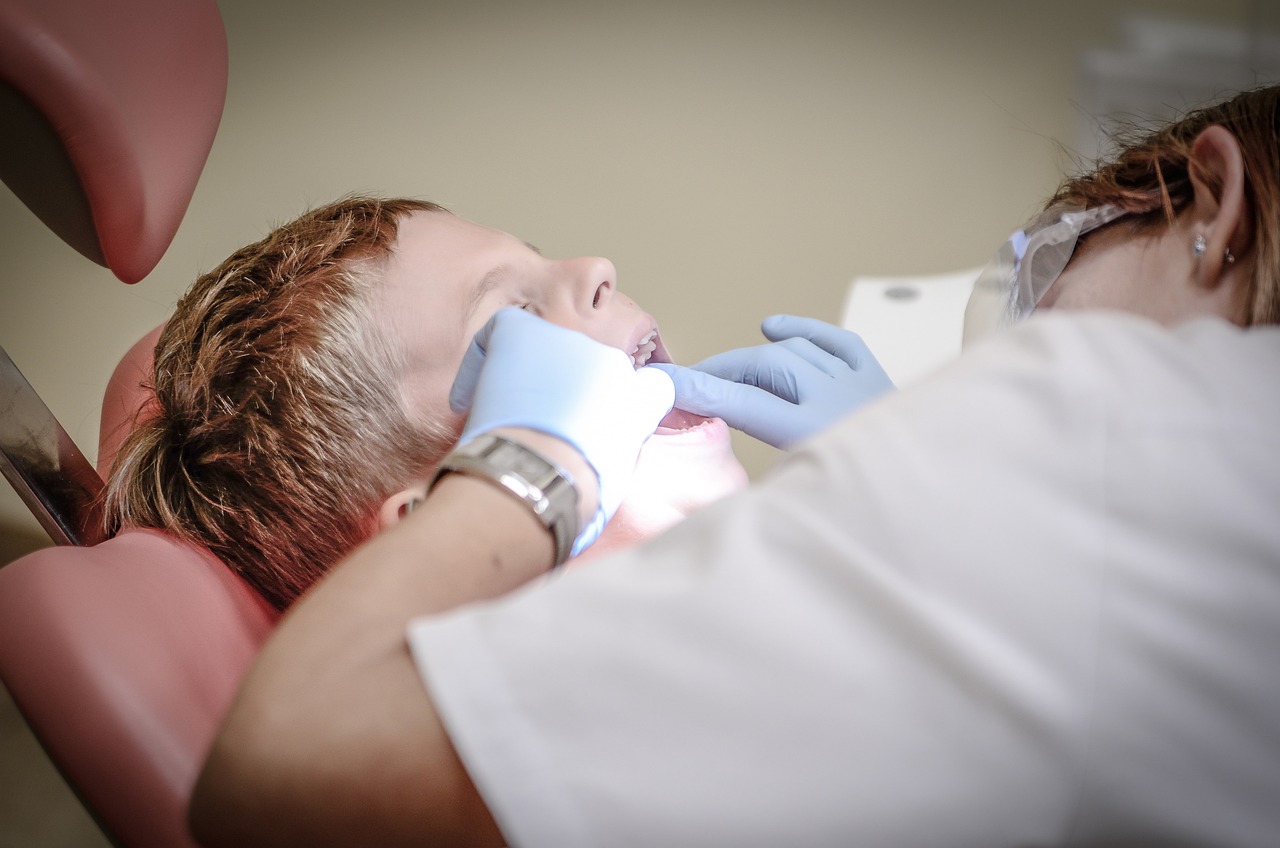
Diagnosing bruxism accurately and promptly is a crucial step in preventing long-term dental and health consequences associated with this condition. Bruxism, commonly known as teeth grinding, can occur during sleep or while awake, and it often goes unnoticed until significant damage has already been done. This segment will explore the different methods that dentists use to diagnose bruxism, the role of technology in modern diagnostics, and the importance of early detection.
Methods Used by Dentists to Diagnose Teeth Grinding
Diagnosing bruxism begins with a comprehensive approach that includes clinical examinations, gathering patient history, and leveraging advanced technologies. Dentists aim to identify bruxism as early as possible to mitigate further damage to the teeth and jaw.
Examinations
One of the primary methods used in diagnosing bruxism is a thorough dental examination. During a dental check-up, the dentist will look for signs of wear on the teeth, such as:
- Flattened or chipped teeth
- Enamel erosion
- Increased tooth sensitivity
Beyond the teeth, dentists will also examine other oral structures such as the gums and jaw. Symptoms or conditions that may indicate bruxism include:
- Tenderness in the jaw muscles
- Headaches, especially upon waking
- Jaw joint disorders, like temporomandibular joint syndrome (TMJ)
Patient History
Understanding a patient’s dental and medical history is vital in diagnosing bruxism. Dentists will ask about:
- Any known habits of clenching or grinding teeth
- Stress levels, given that stress is a common trigger for bruxism
- Sleep patterns and any sleep disturbances, such as snoring or sleep apnea
- Past dental treatments or surgeries
Input from the patient regarding any symptoms, such as jaw pain or unexplained headaches, often provides valuable clues that further support the clinical findings.
Use of Technology in Diagnosis
Recent advancements in technology have introduced valuable tools that aid in the more precise and early diagnosis of bruxism. These tools provide data-driven insights that support traditional diagnostic methods.
Sleep Studies
For individuals suspected to have sleep bruxism, participating in a sleep study can offer definitive evidence. Sleep studies involve monitoring a patient’s sleep patterns, often in a specialized sleep center. Throughout the study, various physiological indicators are tracked, such as:
- Muscle activity in the jaw
- Brain activity
- Breathing patterns
These studies provide a comprehensive picture of what occurs during the patient’s sleep, confirming the presence of bruxism and often revealing potential sleep disorders that could be triggering the grinding.
Wearable Monitoring Devices
Wearable technology has made it easier for healthcare providers and patients to monitor bruxism symptoms over time. Examples of such devices include:
- Smart mouthguards: These devices are worn during sleep and are equipped with sensors that detect grinding and clenching activities. They can offer real-time feedback and data logging for analysis.
- Fitness trackers with sleep monitoring capabilities: Many modern fitness trackers are equipped to measure heart rate variability and detect periods of restlessness during sleep, offering indirect indicators of bruxism.
These technological solutions enhance the ability of dentists to diagnose bruxism remotely and facilitate continuous monitoring, helping manage the condition more effectively.
Importance of Early Diagnosis in Preventing Severe Damage
The importance of diagnosing bruxism early cannot be overstated. Left untreated, bruxism can lead to severe damage, including excessive wear of teeth, tooth fractures, receding gums, and significant jaw issues.
- Prevention of Dental Damage: Early diagnosis helps to implement protective measures that preserve the integrity of the teeth, such as wearing nightguards that cushion the teeth and prevent them from grinding together.
- Avoidance of Complications: By catching the condition early, it’s possible to minimize the risk of complications like TMJ syndrome and chronic headaches.
- Optimization of Treatment Outcomes: Early detection allows for timely interventions, such as stress management techniques or the use of corrective appliances, which can significantly improve treatment outcomes.
- Reduction in Healthcare Costs: Early diagnosis and treatment often mean less invasive and costly dental procedures compared to the extensive treatments required to correct advanced damage caused by long-term bruxism.
Furthermore, by diagnosing and treating bruxism early, patients often witness an improvement in their overall quality of life, experiencing fewer symptoms and reducing the likelihood of chronic pain.
In summary, diagnosing bruxism involves a detailed examination by a dentist, a review of the patient’s history, and potentially the use of sleep studies or wearable technology. Early diagnosis is key to implementing effective treatment strategies that can prevent severe dental damage and improve patient outcomes.