
#ez-toc-container {
background: #f9f9f9;
border: 1px solid #aaa;
border-radius: 4px;
-webkit-box-shadow: 0 1px 1px rgba(0, 0, 0, .05);
box-shadow: 0 1px 1px rgba(0, 0, 0, .05);
display: table;
margin-bottom: 1em;
padding: 10px 20px 10px 10px;
position: relative;
width: auto;
}
.ez-toc-container-direction {
direction: ltr;
}
.ez-toc-list-level-1 a{
font-weight:bold;
}
Table of Contents
1. Introduction to Dental Hygiene
Welcome to the comprehensive guide on dental hygiene and oral health. The mouth is often referred to as the gateway to the body, highlighting the importance of maintaining good oral hygiene. This introduction will set the stage for understanding the fundamentals of dental care, emphasizing the critical role a comprehensive dental care routine plays in overall health.
Oral health is essential not only for a beautiful smile but also for overall well-being. It involves maintaining the health of our teeth, gums, and the entire mouth. Let’s delve into an overview of oral health and why it should be a priority in your daily routine.
Overview of Oral Health
Oral health is a broad term that encompasses everything related to the mouth. It includes the health of the teeth, gums, tongue, and the entire oral cavity. Good oral health means that you are free from chronic oral-facial pain conditions, oral and throat cancer, oral soft tissue lesions, birth defects such as cleft lip and palate, and other diseases and disorders that affect the oral, dental, and craniofacial tissues.
- Dental Plaque: A sticky, colorless film of bacteria that forms on your teeth. It can lead to tooth decay and gum disease if left untreated.
- Cavities: Permanently damaged areas in the hard surface of your teeth that develop into tiny openings or holes. Cavities are caused by a combination of factors, including bacteria in your mouth, frequent snacking, sipping sugary drinks, and not cleaning your teeth well.
- Gum Disease: Also known as periodontal disease, this is an infection of the tissues that surround and support your teeth. It’s a major cause of tooth loss in adults. Because gum disease can be painless, you may not know you have it. Also, it has been linked to other health problems like heart disease and diabetes.
Good oral health can contribute positively to your mental, physical, and social well-being, improving quality of life by allowing you to eat, speak, and socialize without discomfort, pain, or embarrassment. Let’s explore the steps to achieve and maintain good oral health through a comprehensive dental care routine.
Importance of a Comprehensive Dental Care Routine
To maintain optimal oral health, it’s essential to establish a comprehensive dental care routine. Such a routine involves several proactive steps that, when consistently practiced, serve to prevent the development of oral health issues. The importance of this practice cannot be overstated as it forms the foundation of good oral health.
Here are some reasons why a comprehensive dental care routine is of utmost importance:
- Prevention of Oral Diseases: Regularly following a dental care routine helps in preventing common oral issues like cavities, gum disease, and bad breath. Prevention is always better than cure, and when it comes to oral health, it is both time-efficient and cost-effective to prevent issues from arising.
- Early Detection of Dental Problems: An effective dental care routine includes regular visits to a dentist, which are crucial for early detection of any potential dental problems. Early detection means that treatment can be less invasive and more successful.
- Maintenance of Overall Health: Oral health is often a reflection of your overall health. Some systemic conditions can present symptoms in the mouth, and poor oral hygiene has been linked to various health issues, including heart disease, diabetes, and respiratory infections.
- Enhanced Self-Esteem and Quality of Life: A healthy mouth is often the key to a perfect smile. Maintaining good oral hygiene contributes to fresh breath, healthy gums, and strong teeth, all of which can enhance your confidence and improve your quality of life.
Now that we’ve underscored the importance of maintaining a comprehensive dental care routine, let’s explore what this routine should entail to ensure the best oral health possible.
Components of a Comprehensive Dental Care Routine
- Brush Twice Daily: Brushing your teeth twice a day helps remove food particles and plaque. Use a soft-bristled toothbrush and fluoride toothpaste, and brush all surfaces of your teeth for at least two minutes.
- Floss Daily: Flossing removes plaque and food particles from between the teeth and under the gum line where a toothbrush often can’t reach. Daily flossing is necessary to prevent gum disease and cavities.
- Use Mouthwash: Antimicrobial mouthwash helps reduce bacteria in the mouth, promotes fresh breath, and includes fluoride to help strengthen teeth.
- Limit Sugary Foods and Drinks: Consuming less sugar can help minimize the chances of tooth decay. If you consume sugary treats, try to do so during meals or drink water afterward to rinse sugars off your teeth.
- Stay Hydrated: Drinking water helps in washing away food particles and saliva generated by eating sugary carbs. Water with fluoride, often present in public water systems, also helps contain tooth decay.
- Regular Dental Check-Ups: Schedule regular dental visits at least twice a year for cleanings and check-ups. Your dentist can identify potential issues early and provide treatment to prevent more significant problems.
Adopting and maintaining an effective dental care routine is vital for good oral health throughout your life. Remember, it’s never too late to start caring for your oral health, and by doing so, you are investing in your overall health.
In conclusion, oral hygiene and a comprehensive dental care routine are foundational components for maintaining your oral health and overall well-being. Understanding the significance of oral health as it relates to the body underscores the necessity to engage actively in a routine that helps prevent diseases, detects issues early, and promotes a healthy lifestyle. Whether it’s the act of regular brushing and flossing or maintaining a balanced diet, every step you take towards enhancing your oral hygiene supports a healthier, better quality of life. Start today and smile brightly, knowing you are taking proactive steps towards comprehensive care and improved oral health.

2. Understanding Flossing
Understanding Flossing
Flossing is an essential component of oral hygiene that plays a critical role in the prevention of gum disease and cavities. While brushing your teeth is vital for removing plaque and food particles from the surface of your teeth, only flossing can reach the tight spaces between your teeth and underneath the gumline. This practice is indispensable in maintaining a healthy smile and ensuring comprehensive oral health.
What is Flossing?
Flossing refers to the process of cleaning between the teeth using a thin, flexible strand of either nylon or plastic. The primary goal of flossing is to remove plaque—a sticky film of bacteria and food particles—that can lead to tooth decay and gum disease if not properly addressed. Flossing should be done at least once a day as part of a thorough oral care routine, and it complements brushing by reaching areas that toothbrush bristles can’t access.
Flossing is straightforward, but many people overlook its importance. The repeated up-and-down motion of the floss between teeth helps dislodge trapped particles, leading to cleaner teeth and a healthier mouth. This daily habit has been endorsed by dental professionals worldwide and is known for its extensive benefits in preventing gum disease and maintaining overall oral health.
Different Types of Dental Floss: Traditional, Water Flossers, and More
With technological advancements and the growing emphasis on convenience and effectiveness, several types of dental floss are now available, catering to varied preferences and needs.
- Traditional Dental Floss
The most common type of floss is traditional dental floss, which can be further divided into waxed and unwaxed varieties. Traditional floss is made of nylon fibers and comes in a variety of flavors.
- Waxed Dental Floss
Waxed dental floss is coated with a thin layer of wax, making it easier to slide between tightly spaced teeth. This type is especially beneficial for people with dental work, such as crowns or bridges, as it is less likely to fray or break.
- Unwaxed Dental Floss
Unwaxed dental floss is made of nylon, offering a clean and precise flossing experience without a wax coating. It’s typically preferred by individuals who have more space between their teeth and want a more tactile feel.
- Waxed Dental Floss
- Dental Tape
Dental tape is similar to traditional floss but is broader and flatter. This type is often favored by individuals who have larger gaps between their teeth or experience difficulty using standard floss.
- Super Floss
Super floss is specifically designed for those with braces, bridges, or wide gaps. It features a stiffened end for flossing under appliances, a spongy section for cleaning around them, and regular floss for between the teeth.
- Polytetrafluoroethylene (PTFE) Floss
PTFE floss offers an alternative to traditional nylon floss. It’s a durable, shred-resistant option that glides effortlessly between teeth, known for its ability to slide easily without breaking.
- Water Flossers
Water flossers are a modern alternative to traditional dental floss and use a pressurized stream of pulsating water to remove plaque and food particles. They are often recommended for individuals with braces, implants, or periodontal disease, as they can effectively reach difficult areas.
- Benefits of Water Flossers:
- Effective in removing plaque from hard-to-reach areas
- Gentle on gums, making them a good choice for people with sensitive gums
- Convenient and easy to use, especially for those with dexterity challenges
- Benefits of Water Flossers:
- Floss Picks
Floss picks are small Y-shaped devices that hold a piece of dental floss. They are user-friendly, particularly for those who struggle with handling traditional floss strands. These are portable and easy to use on the go.
Understanding the various types of dental floss available ensures that everyone can find the appropriate tool to suit their oral health needs. From traditional nylon floss to high-tech water flossers, each type offers unique benefits tailored to maintaining your oral hygiene at its best. Regardless of the type of floss you choose, the most important factor is consistency—ensuring that it becomes a staple in your daily dental care routine.

3. The Benefits of Flossing for Teeth and Gums
Outline 3: The Benefits of Flossing for Teeth and Gums
Proper oral hygiene goes beyond just brushing your teeth. Flossing plays a vital role in maintaining the health of your teeth and gums. In this segment, we will explore how flossing helps prevent plaque and tartar buildup, its role in gum disease prevention, and the long-term effects of regular flossing on oral health.
How Flossing Prevents Plaque and Tartar Buildup
Plaque is a sticky, colorless film of bacteria that forms on your teeth. If not removed, it can harden into tartar, which is difficult to clean with regular brushing alone. Flossing effectively helps prevent this buildup. Here’s how:
- Disruption of Plaque Formation: Flossing reaches the spaces between your teeth where your toothbrush bristles cannot access. This action breaks up the colonies of bacteria before they solidify into tartar.
- Removal of Food Particles: By flossing, you remove food particles wedged between teeth. These particles can decay and contribute to plaque formation if left unchecked.
- Enhancement of Regular Brushing: Brushing practices alone remove only about 60% of plaque. By incorporating flossing, you tackle the remaining 40%, which plays a crucial part in maintaining a clean mouth.
The Role of Flossing in Gum Disease Prevention
Gum disease, or periodontal disease, is an infection of the gums that can lead to tooth loss if left untreated. Flossing is a significant preventive measure against this disease:
- Reduction of Gingivitis Risk: Gingivitis, the earliest stage of gum disease, is marked by inflamed and bleeding gums. Daily flossing removes plaque, preventing irritation of gum tissue and reducing the likelihood of gingivitis.
- Control Over Harmful Bacterial Growth: Regular flossing controls the growth of bacteria that could adversely affect your gum health, fostering an environment less conducive to infection.
- Reinforcement of Gum Attachment: Healthy, clean spaces between teeth ensure gums remain well-attached to teeth, warding off the development of periodontal disease.
Long-term Effects of Regular Flossing on Oral Health
Consistency in your dental care regimen pays off over time. Here are the long-term benefits of maintaining a habit of flossing:
- Enhanced Oral Hygiene: Establishing a regular flossing routine results in the consistent removal of plaque and debris, reducing the risk of cavities and gum disease.
- Prevention of Tooth Decay: Long-term flossing helps prevent the onset and spread of tooth decay, particularly in areas difficult to reach by brushing alone.
- Improved Overall Health: Research indicates a connection between oral health and systemic health. By preventing oral issues through flossing, you potentially reduce the risk of conditions like heart disease and diabetes.
- Economic Benefits: Preventive care through regular flossing can significantly reduce the need for expensive dental treatments resulting from neglect, such as fillings, crowns, or gum surgery.
- Prolonged Tooth Longevity: Regular flossing supports strong gums and teeth structures, ensuring teeth remain strong and functional over time.
In conclusion, integrating flossing into your daily oral health routine is imperative. It not only prevents plaque and tartar buildup, but it actively contributes to preventing gum disease and preserves your oral health in the long run. For a brighter, healthier smile, make flossing a non-negotiable part of your dental care habits.
4. Flossing Techniques for Optimal Results
“`html
Achieving optimal oral hygiene goes beyond just brushing your teeth. Flossing plays a crucial role in maintaining healthy gums and preventing cavities by removing plaque and food particles that your toothbrush might miss. In this guide, we will explore effective flossing techniques, provide a step-by-step guide to perfect your flossing habits, and highlight common mistakes to avoid for the best results.
Flossing Techniques for Optimal Results
Developing a good flossing technique is essential for anyone looking to maintain healthy gums and teeth. Here are some effective techniques to help you get the most out of your flossing routine:
- Traditional flossing: The standard method involves using a piece of dental floss to clean between teeth. It’s effective for most gaps but requires good dexterity.
- Floss picks: These are convenient, pre-threaded tools that make flossing easier, especially for those who struggle with traditional floss. They’re a great option for on-the-go use.
- Water flossers: Ideal for people with dental work like braces or bridges, water flossers use a stream of pulsating water to remove debris between teeth and along the gum line.
- Interdental brushes: These small, bristle brushes are perfect for individuals with larger spaces between their teeth. They’re easy to use and can cover more surface area.
Step-by-Step Guide to Effective Flossing
Follow these steps to ensure you are flossing effectively:
- Start with about 18 inches of floss. This may seem like a lot, but it is necessary to give you enough clean floss to work with.
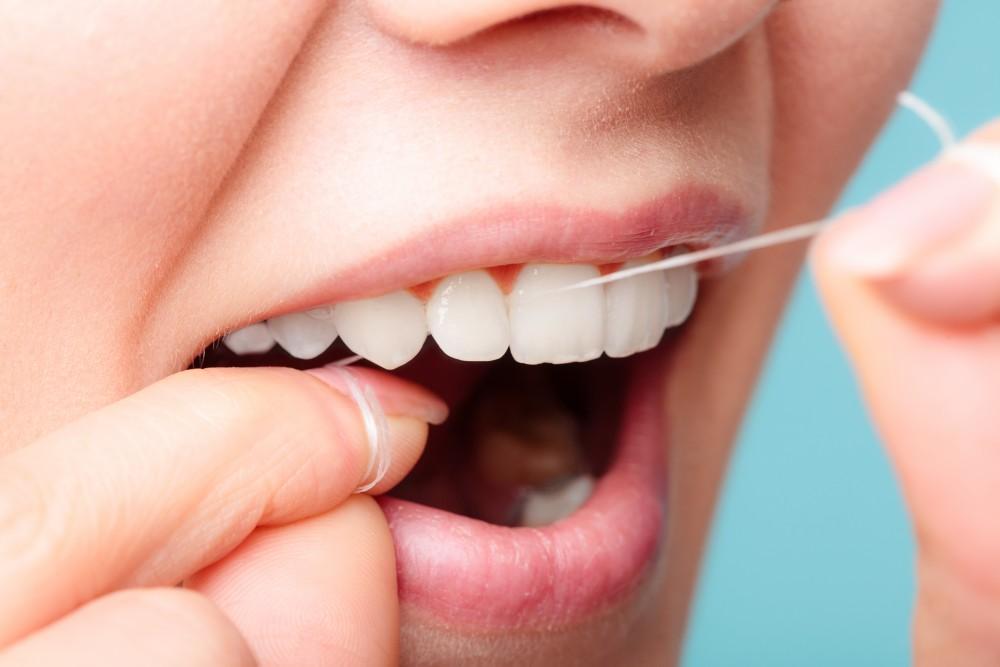
- Wrap the majority of the floss around the middle finger of one hand, and the rest around the middle finger of the other hand. This allows you to control the floss with your thumbs and forefingers.
- Hold the floss tightly between your thumbs and forefingers.
- Gently slide the floss between your teeth. Use a gentle rubbing motion, and be careful not to snap the floss into the gums to avoid injury.
- When the floss reaches the gum line, curve it into a C-shape against one tooth. Gently slide it into the space between the gum and the tooth.
- Hold the floss tightly against the tooth. Gently rub the side of the tooth, moving the floss away from the gum with up and down motions.
- Repeat the process on the rest of your teeth. Don’t forget the back side of your last tooth.
- Use a fresh section of floss for each tooth by unrolling a new section from the finger, and take up the used floss on the opposite finger.
Common Mistakes to Avoid When Flossing
Even with the right technique, certain mistakes can hinder your flossing effectiveness. Here are some common pitfalls to avoid:
- Not flossing regularly: Flossing should be a daily habit to effectively remove plaque and food particles.
- Rushing the flossing process: Take your time to ensure you’re cleaning each tooth thoroughly, rather than rushing through the process.
- Flossing too aggressively: Being too forceful can damage your gums. Use gentle, controlled movements to clean effectively without causing harm.
- Using too little floss: You should use enough floss to have a clean section for each tooth. Reusing sections can spread bacteria from one gap to another.
- Neglecting the gum line: A common mistake is focusing only on the spaces between the teeth and forgetting the gum line where plaque and bacteria accumulate.
- Ignoring dental work: Pay special attention to areas with dental work, such as bridges or braces, as they can trap food more easily.
- Giving up too soon: It can be challenging to floss if your gums bleed or if you find the process cumbersome, but persistence pays off as your gums adapt and grow healthier.
By following these guidelines, you can enhance your oral health routine and achieve a brighter, healthier smile. Remember, the key to effective flossing is consistency and using the right technique suited for your dental needs.
“`


