#ez-toc-container {
background: #f9f9f9;
border: 1px solid #aaa;
border-radius: 4px;
-webkit-box-shadow: 0 1px 1px rgba(0, 0, 0, .05);
box-shadow: 0 1px 1px rgba(0, 0, 0, .05);
display: table;
margin-bottom: 1em;
padding: 10px 20px 10px 10px;
position: relative;
width: auto;
}
.ez-toc-container-direction {
direction: ltr;
}
.ez-toc-list-level-1 a{
font-weight:bold;
}
Table of Contents
1. Introduction to TMJ Pain and Its Impact
Temporomandibular Joint Disorder, often referred to as TMJ disorder, can significantly impact an individual’s quality of life. By delving into the fundamentals of TMJ pain, one can better understand its potential effects on daily activities and overall well-being. This introduction aims to provide a comprehensive overview of TMJ disorder and its symptoms, emphasizing why it is crucial to address TMJ pain.
Overview of Temporomandibular Joint (TMJ) Disorder
The temporomandibular joint, more commonly known as the TMJ, plays a vital role in jaw movement, enabling essential functions such as talking, chewing, and swallowing. This joint connects the lower jawbone, or mandible, to the temporal bone of the skull, seated just in front of the ear on both sides of the head. A properly functioning TMJ allows for smooth hinging and gliding actions crucial for normal jaw operations.
TMJ disorder arises when there are problems with the muscles and joints in the jaw, leading to pain or dysfunction. The root causes can be multifaceted, involving factors such as genetics, arthritis, jaw injury, or stress-related habits like teeth grinding. A comprehensive understanding of TMJ disorder sheds light on the importance of diagnosing and managing this condition effectively.
Common Symptoms and How They Affect Daily Life
TMJ disorder is accompanied by a variety of symptoms that can drastically affect both physical and emotional well-being. Notably, these symptoms can interfere with routine tasks and lower overall quality of life. Below is a list of common symptoms associated with TMJ disorder:
- Jaw Pain or Tenderness: Often characterized by discomfort in the jaw, which may extend to the face, neck, or shoulders.
- Limited Jaw Mobility: Some individuals may experience difficulty in opening or closing their jaw, which can complicate eating and speaking.
- Ear Pain or Pressure: The proximity of the TMJ to the ear can lead to feelings of fullness, ringing, or even pain in the ears.
- Headaches or Migraines: Persistent headaches or migraines may result from the muscle tension and strain associated with TMJ disorder.
- Clicking or Popping Sounds: Audible sounds during jaw movement can occur in individuals with TMJ disorders.
- Bruxism (Teeth Grinding): While sometimes a symptom, teeth grinding can also exacerbate TMJ disorder symptoms, particularly at night when the individual is unaware.
These symptoms can significantly disrupt one’s day-to-day activities. For instance, severe jaw pain might hinder one’s ability to eat comfortably, while persistent headaches can reduce productivity at work. Additionally, ear pain and pressure can lead to miscommunication or difficulties in concentrating, further complicating daily tasks.
Importance of Addressing TMJ Pain for Overall Well-being
Given the wide-ranging symptoms associated with TMJ disorder, addressing the pain and dysfunction is essential for preserving quality of life. Leaving TMJ pain untreated can lead to more severe health complications, including chronic pain and further joint damage.
- Preventing Chronic Conditions: Early intervention can thwart the progression of the disorder, minimizing the risk of chronic pain and disability.
- Enhanced Quality of Life: Relieving TMJ symptoms can improve day-to-day functioning, allowing individuals to partake in activities without discomfort or pain.
- Reducing Associated Health Issues: Effective management of TMJ pain can alleviate related conditions such as headaches, sleep disturbances, and psychological distress.
- Boosting Emotional Well-being: Reducing pain levels can lead to improvements in mental health, reducing stress, anxiety, and depression often linked with chronic pain conditions.
It becomes evident that addressing TMJ disorder and its symptoms is not merely about alleviating physical discomfort but also about fostering overall health and enhancing life satisfaction. By taking proactive steps to manage TMJ pain, individuals can experience a marked improvement in their well-being, reclaiming control over their day-to-day lives.

2. The Role of Relaxation Techniques in Alleviating TMJ Pain
Temporomandibular joint disorders (TMJ) are a common source of pain and discomfort affecting the jaw joint and surrounding muscles. These disorders can significantly impact daily activities, from eating to speaking, and are often linked to stress and muscle tension. Understanding the role relaxation techniques can play in alleviating TMJ pain is crucial for those seeking relief from this condition.
Stress is a prevalent factor that exacerbates TMJ disorders. When an individual experiences stress, the body often responds with muscle tension, particularly in the jaw, neck, and shoulders. This tension can lead to clenching or grinding of the teeth, known as bruxism, which places additional strain on the temporomandibular joint. Over time, this tension can result in pain, inflammation, and limited movement in the jaw.
To combat these effects, incorporating relaxation techniques into daily routines can be highly beneficial. Here, we explore some popular methods that have shown promise in alleviating TMJ pain:
- Deep Breathing: One of the simplest yet most effective ways to reduce stress and muscle tension is through deep breathing exercises. These exercises encourage a state of calm by increasing oxygen supply and promoting relaxation. Inhaling deeply through the nose, holding the breath, and exhaling slowly can help relax the jaw muscles and reduce pain.
- Meditation: This practice involves focusing the mind and reducing stress through mindfulness or guided imagery. Meditation can decrease the perception of pain by helping individuals manage anxiety and stress, leading to reduced muscle tension in areas affected by TMJ disorders.
- Progressive Muscle Relaxation (PMR): PMR is a systematic technique that involves tensing and then slowly relaxing different muscle groups. By promoting awareness of bodily tension, individuals can effectively use PMR to reduce tension in jaw muscles, potentially alleviating pain associated with TMJ disorders.
These techniques not only aid in short-term relief but can also contribute to a long-term strategy for managing TMJ-related pain. Incorporating these methods into a daily routine can enhance their effectiveness, leading to improved quality of life for those with TMJ disorders.
To illustrate the impact of relaxation techniques on TMJ pain management, let’s explore some case studies and testimonials that highlight success stories:
- Case Study: Jane Doe’s Experience with Meditation
Jane Doe, a 35-year-old office worker, was diagnosed with TMJ disorder following persistent jaw pain and headaches. After trying various treatments with limited success, Jane turned to meditation. By committing to a daily practice, she was able to significantly reduce her stress levels and jaw tension.
“Meditation has transformed my life. Not only have my TMJ symptoms decreased, but I feel more in control and less anxious overall,” Jane reports. - Testimonial: John’s Success with Progressive Muscle Relaxation
John Smith had been suffering from TMJ pain for years, which affected his ability to concentrate at work. He discovered PMR through a friend’s recommendation and decided to give it a try.
“I never realized how much tension I was holding in my jaw and shoulders until I tried PMR. By practicing regularly, I’ve experienced a significant reduction in my TMJ pain,” John shares. - Case Study: The Impact of Deep Breathing for Emily
Emily Johnson, a student, experienced severe TMJ pain during exam periods, a time characterized by heightened stress. She began incorporating deep breathing exercises into her study breaks.
“Deep breathing has been incredibly beneficial. It’s a simple tool that helps me manage stress and keep my TMJ symptoms at bay, especially during demanding times,” Emily remarks.
These stories underscore the potential benefits of relaxation techniques in managing TMJ disorders. By addressing stress and muscle tension through practices like deep breathing, meditation, and progressive muscle relaxation, individuals can take proactive steps toward pain alleviation. With consistency and dedication, these techniques offer a non-invasive, holistic approach to improving life with TMJ disorders.

3. Understanding Physical Therapy for TMJ Relief
Temporomandibular Joint Disorder, commonly referred to as TMJ, is a condition affecting the jaw joint and surrounding muscles. Individuals suffering from TMJ often experience pain, stiffness, and limited movement in their jaw, which can significantly impact daily life. One effective approach to managing TMJ pain is through physical therapy. In this segment, we will explore how physical therapy addresses TMJ issues, delve into specific exercises and methods utilized, and highlight the benefits of seeking professional guidance.
Introduction to Physical Therapy’s Approach to TMJ Pain
Physical therapy offers a holistic approach to alleviating TMJ pain, focusing on addressing the underlying causes rather than just symptoms. Physical therapists are trained to assess and treat musculoskeletal disorders, making them well-equipped to manage TMJ conditions. The primary goal of physical therapy in TMJ treatment is to restore normal function, reduce pain, and improve the patient’s quality of life.
By incorporating education on self-management techniques, a physical therapist can provide tailored interventions that promote healing and prevent further TMJ complications. Through a combination of exercises, manual therapy, and posture correction, physical therapists can effectively reduce symptoms and enhance jaw mobility.
Key Physical Therapy Exercises and Methods
Physical therapy offers a variety of exercises and techniques specifically designed to target TMJ pain. These interventions can be both passive and active, involving the therapist’s guidance and patients’ participation in self-directed therapy. Here are some of the essential methods utilized in physical therapy for TMJ relief:
- Jaw Exercises:
Jaw exercises play a crucial role in strengthening and relaxing the muscles around the temporomandibular joint. These exercises aim to improve movement, increase strength, and decrease tension in the jaw muscles.
- Relaxation Techniques: Techniques such as deep breathing and progressive muscle relaxation assist in relieving stress, which can exacerbate TMJ symptoms.
- Mandibular Stabilization Exercises: These are designed to restore imbalances in the jaw muscles and joints, improving stability and function. Common exercises include resisted opening and closing movements.
- Range of Motion Exercises: These involve stretching the jaw to its comfortable range, helping to improve flexibility and movement.
- Posture Correction:
Maintaining correct posture is vital in reducing TMJ symptoms, as poor posture can lead to added stress on the jaw joint. Physical therapists provide exercises and education on maintaining proper posture.
- Neck and Shoulder Stretches: These exercises help alleviate tension in the neck and shoulders, which can contribute to TMJ pain.
- Postural Awareness Training: Educating patients on how to maintain proper alignment of the spine and head to minimize jaw strain.
- Manual Therapy:
Manual therapy involves hands-on techniques that aim to improve the function of the jaw joint and surrounding structures. These techniques address soft tissue restrictions and joint mobility issues.
- Soft Tissue Mobilization: This involves massaging the muscles around the jaw to reduce tightness and improve circulation.
- Joint Mobilization: Facilitates proper joint mechanics and alleviates pain through gentle manipulation by the therapist.
Benefits of Professional Guidance in Physical Therapy
While self-directed exercises and methods can be beneficial, working with a professional physical therapist offers significant advantages when dealing with TMJ pain. Here are key benefits of seeking professional guidance:
- Personalized Assessment and Treatment Plan:
A physical therapist provides a comprehensive evaluation of the patient’s condition and tailors a treatment plan specific to their needs. This personalized approach ensures that interventions target the root causes of TMJ issues rather than just addressing the symptoms.
- Expertise in Correct Technique:
Professional guidance ensures that exercises and techniques are performed correctly, maximizing their effectiveness while minimizing the risk of injury.
- Monitoring Progress:
A physical therapist can track the patient’s progress over time and make necessary adjustments to the treatment plan. This monitoring helps ensure optimal recovery and prevents relapse.
- Access to Advanced Therapies:
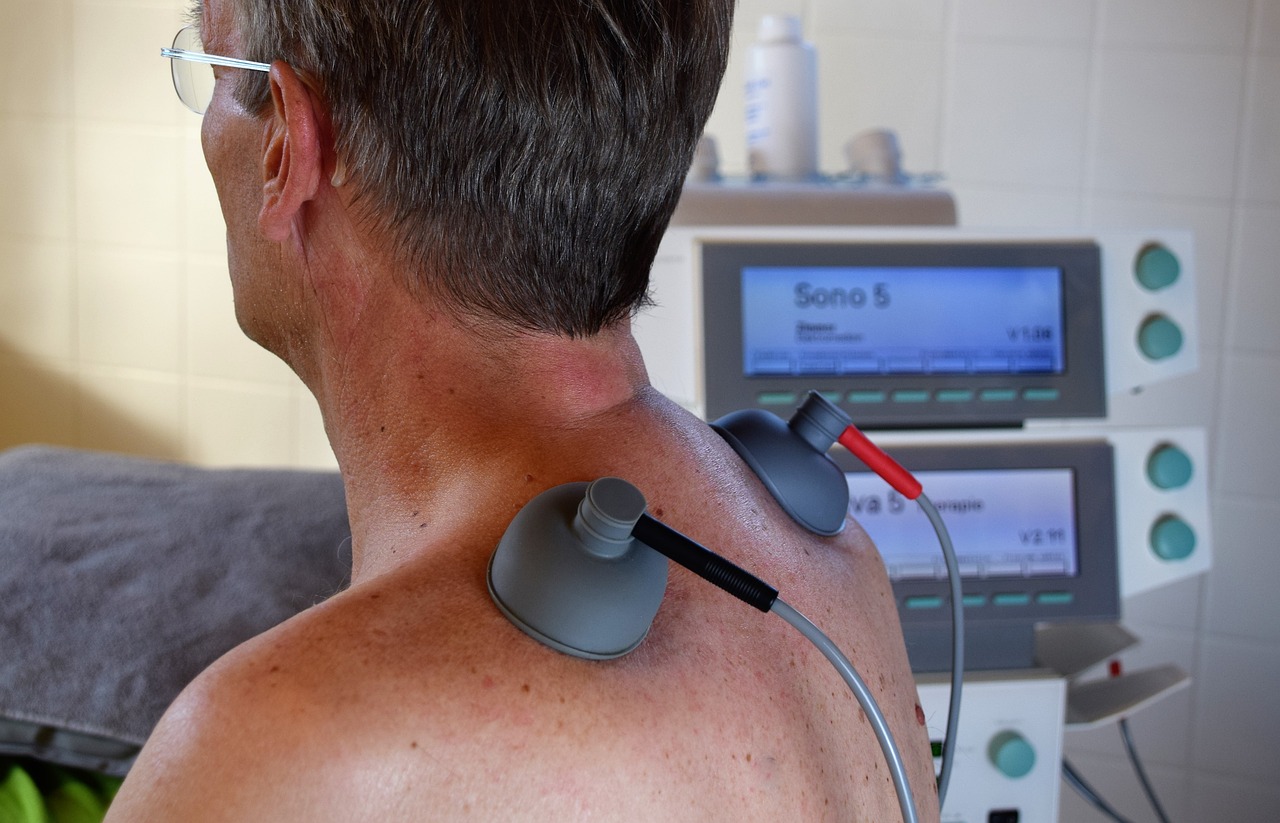
Physical therapists may offer access to advanced therapeutic modalities, such as ultrasound therapy or dry needling, that can further alleviate TMJ symptoms.
In conclusion, physical therapy provides a comprehensive and effective approach to managing TMJ pain. By incorporating jaw exercises, posture correction, and manual therapy, patients can achieve significant improvements in their condition. Moreover, enlisting the help of a professional physical therapist offers a wealth of benefits, including a personalized treatment plan, expert guidance, and continuous progress monitoring. If you are experiencing TMJ pain, consider consulting with a physical therapist to explore the best options for relief and improved quality of life.
4. Combining Relaxation and Physical Therapy for Optimal Results
The impact of temporomandibular joint (TMJ) pain can disrupt daily life and impact overall well-being. Combining relaxation techniques with physical therapy offers a holistic approach to manage and alleviate TMJ discomfort effectively. By understanding how these methods complement each other, creating a personalized TMJ pain management plan, and integrating these strategies into daily routines, individuals can experience optimal results.
How Relaxation and Physical Therapy Complement Each Other
Relaxation and physical therapy may seem like two distinct approaches, but together they form a powerful duo in the battle against TMJ pain. Understanding how these strategies work in tandem reveals the synergy that leads to meaningful relief and recovery.
- Reduction in Stress and Muscle Tension: Stress is a significant contributor to TMJ disorders. Relaxation techniques such as deep breathing, meditation, and progressive muscle relaxation help calm the nervous system and reduce stress-induced muscle tension. When muscles are relaxed, physical therapy activities can be performed more effectively.
- Enhanced Flexibility and Range of Motion: Physical therapy aims to improve the flexibility and range of motion of the jaw muscles and joints. Relaxation strategies support this by reducing muscle tightness, enabling more efficient stretching and movement.
- Improved Circulation: Relaxation increases blood flow to the affected areas, promoting healing. Physical therapy exercises further enhance circulation, ensuring that nutrients and oxygen reach the tissues to repair any damage.
Creating a Personalized TMJ Pain Management Plan
Each individual’s experience with TMJ pain is unique. Therefore, a personalized approach is essential for effective management. Here’s how to tailor a plan that suits individual needs:
- Consultation with Healthcare Professionals: Reach out to a doctor, dentist, or physical therapist specializing in TMJ disorders. They can provide a clear diagnosis and help outline potential treatment options.
- Assessment of Personal Triggers and Symptoms: Keep a journal to track TMJ symptoms, noting any triggers such as stress, certain foods, or habitual actions like teeth grinding. Understanding these triggers helps in personalizing an effective management plan.
- Set Realistic Goals: Determine achievable targets for pain reduction, mobility, and stress management. Setting specific, measurable, and time-bound goals ensures that the management plan remains focused and effective.
Tips for Integrating Relaxation and Physical Therapy Strategies into Daily Routines
The key to effective TMJ pain management lies in consistently applying therapeutic strategies. Here are some practical tips for seamlessly incorporating relaxation and physical therapy into daily life:
- Establish a Daily Routine: Consistency is crucial. Dedicate specific times each day for relaxation practices like yoga, meditation, or breathing exercises. This helps in creating a habit and ensuring regular practice.
- Incorporate Micro-Sessions: Even a few minutes of relaxation or physical therapy exercises throughout the day can make a significant difference. Consider short stretching sessions or breathing exercises while at work or during break times.
- Use Technology Wisely: Leverage apps and online resources for guided relaxation sessions. Physical therapy apps can offer exercise reminders and tracking features to ensure adherence to the management plan.
- Evaluate and Adjust Periodically: Regularly assess the effectiveness of the management plan. If certain techniques are not effective, consult professionals to adjust the strategy accordingly. Continuous evaluation ensures that the plan remains effective over time.
By strategically combining relaxation with tailored physical therapy exercises, individuals with TMJ disorders can achieve a state of balance and relief. The harmonious integration of these techniques not only reduces pain but also supports a healthier lifestyle, allowing individuals to manage their symptoms effectively while enhancing overall well-being.